In This Guide
- Budget, home style, upkeep, and purpose should all shape the choice, not looks alone.
- The seven fence types covered are vinyl, pressure-treated wood, aluminum, masonry, wrought iron, chain link, and steel.
- Each type has its own strengths, from low maintenance and warm looks to strength and long life.
- A quick style guide pairs common home styles with the fence designs that suit them best.
The sheer number of fence materials and styles can make it hard to pick one. Which factors matter most, and how do you know the fence you choose will still look good years from now?
Here is what the team at Big Easy Fence tells homeowners about choosing one of the many residential fence types: how to size up your options, seven materials worth a serious look, and how to match a fence to the style of your house.
How to Choose a Fence Type
No two fences are alike, and the one you pick affects how your home looks and how secure it feels. A fence professional can help you weigh the basics:
- Budget. Decide what you can spend on both materials and installation.
- Home style. The fence should suit the architecture and elements of your house.
- Purpose. Privacy, security, pets, and curb appeal do not all point to the same material.
- Material features. Look at how each material handles weather and time.
Then look at the practical side: installation cost, upkeep, noise reduction, and whether the fence needs to hold back soil. Durability belongs on the list too, and our guide to durable fence options goes deeper on that point.
Seven Fence Types Worth Considering
Take some time to learn about the options before you commit. These seven come up most often.
1. Vinyl Fences
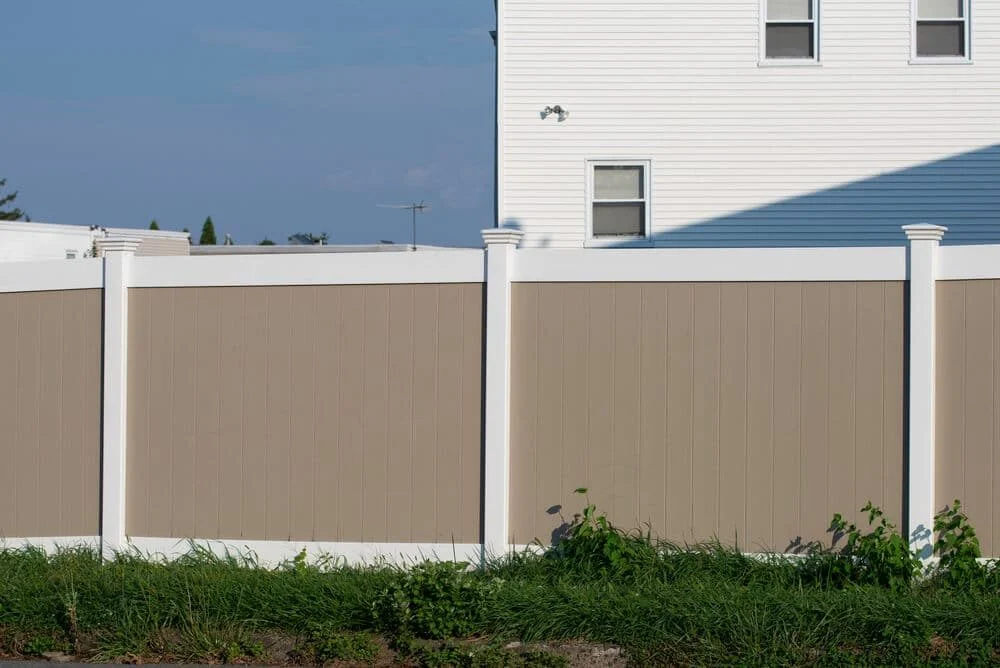
Vinyl is low maintenance, lightweight, and easy to work with, and many panels click into their posts. It stands up to rain, wind, heat, and strong sun when properly installed. It also comes in many colors, so you can add style to the yard. This piece on how to pick the best vinyl fence color can help you choose.
2. Pressure-Treated Wood
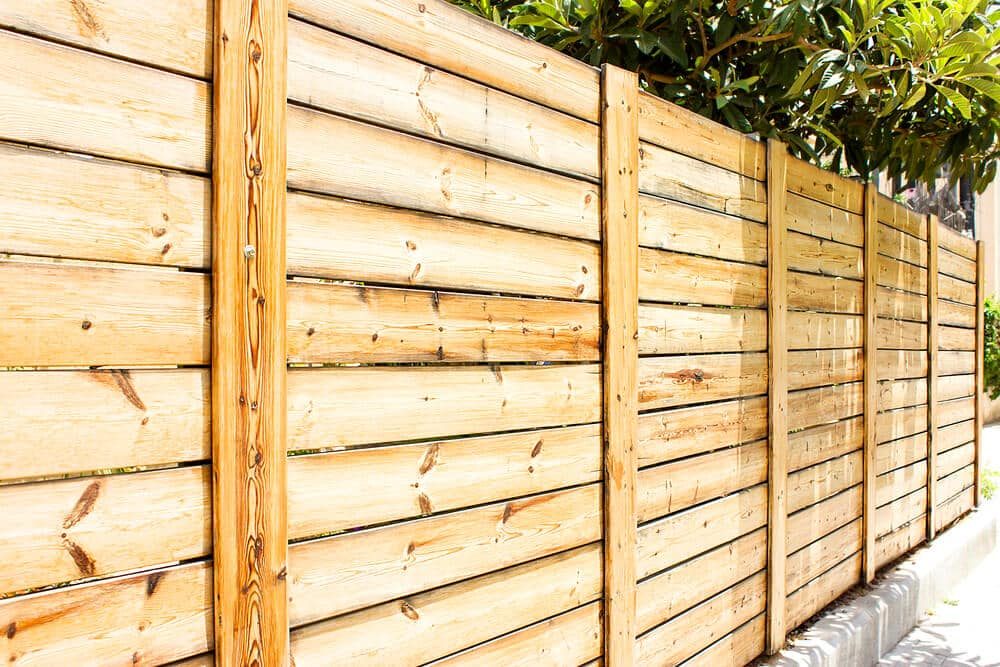
A wood fence brings a warm, natural look and is one of the more budget-friendly choices to install. Fencing lumber is treated with preservatives that help it resist moisture, rot, and insects such as termites, which is a big plus in Louisiana. Stain or seal it and it holds up well outdoors.
3. Aluminum Fences
Aluminum is versatile and needs very little upkeep. It costs more up front than some materials, but it resists rust, handles all kinds of weather, and comes in a range of colors and decorative details, so many owners find it pays for itself over time.
4. Masonry Fences
Masonry suits a classic, stately look. It covers concrete, brick, block, stucco, and stone, and it can last for many decades with proper care. That durability is why many owners feel the higher upfront cost is worth it.
5. Wrought Iron Fences
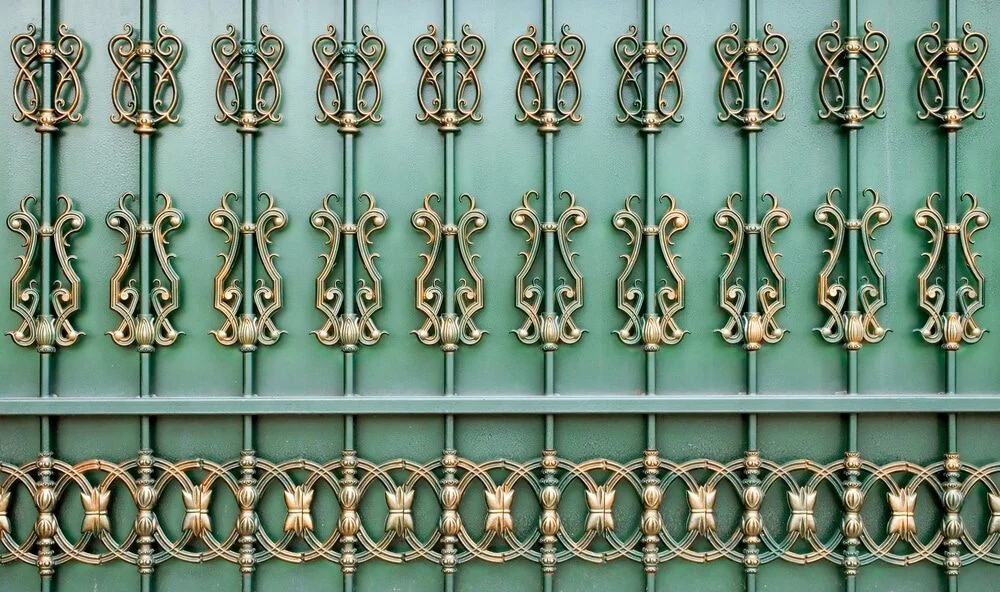
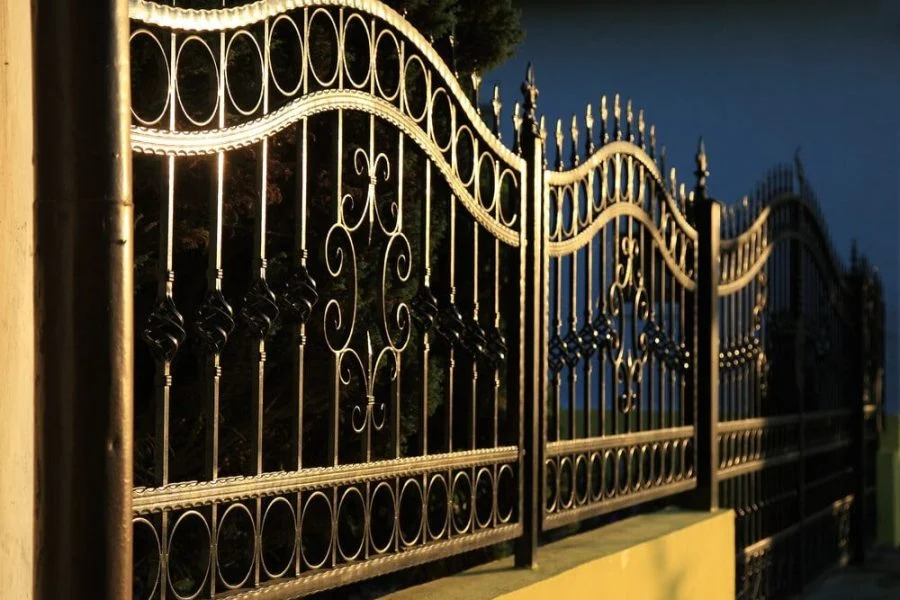
Wrought iron gives you intricate detail along with durability. Ask the installer to apply protective coatings so the fence resists rust and stays easy to maintain. Price rises with customization, so plan your budget around the design, thickness, and height you want.
6. Chain Link Fences
Coatings and better products have made chain link fences a popular home choice. A rust-resistant version with a metallic or vinyl coating needs little maintenance and costs less than most other types. The open weave also lets strong wind pass through, which helps it hold up in a storm.
7. Steel Fences
Steel is strong, and it works well as tubular or picket panels. It is heavier than aluminum, but it follows sloped ground well. Galvanized or powder-coated steel resists rust, which matters in humid weather, and the finish comes in many colors.
Matching a Fence to Your Home’s Style
In our climate, weather resistance deserves extra weight in the decision. Humidity, heavy rain, and hurricane season are hard on any fence, so rust resistance for metal, rot and termite resistance for wood, and open designs that let wind pass through all count for more here than they might elsewhere.
Fences come in many designs, including privacy, lattice-top, spaced picket, scalloped, dog-eared, board-on-board shadowbox, and more. The best style depends mostly on your home’s architecture, exterior color, and the natural features around it.
| Home Style | Character | Fence That Suits It |
|---|---|---|
| Ranch | Relaxed and traditional | Picket fence |
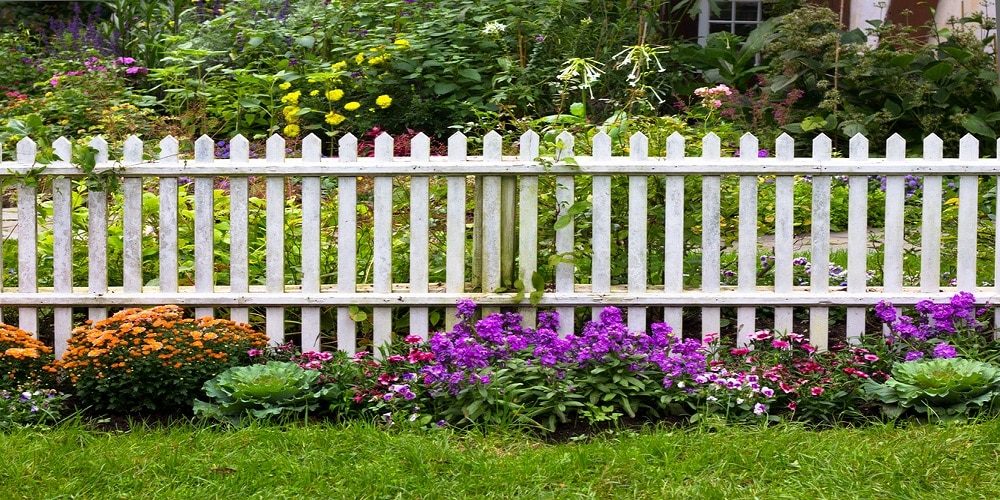
| Colonial Revival | Traditional and elegant | White picket or ornamental metal |
| Cape Cod | Symmetrical, classic American | White picket fence |
| Neoclassical | Formal and stately | Tall steel or aluminum |
| Spanish Revival | Arched windows and wide doors | Metal, brick, or stone |
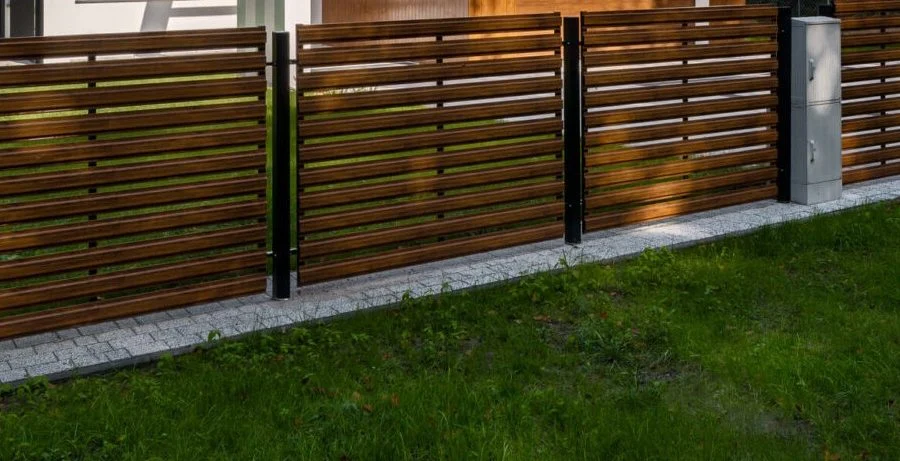
| Modern | Geometric, with open space | Minimalist horizontal panels |
Pick a style that suits your property and adds security as well as beauty. Browse the full range on our fence types page for more ideas.
Making the Final Call
Know your materials, your design options, and your budget before you sign anything. That saves you from installing a fence that does not meet your needs or fit your budget. A fence contractor can talk through your preferences and give you a clear sense of cost, so a free estimate is a smart next step.
Ready to Pick Your Fence?
Share your budget, your home style, and what you want the fence to do, and we will help you narrow down the options.