Wood Fences in New Orleans: A Timeless Aesthetic and Functionality Blend
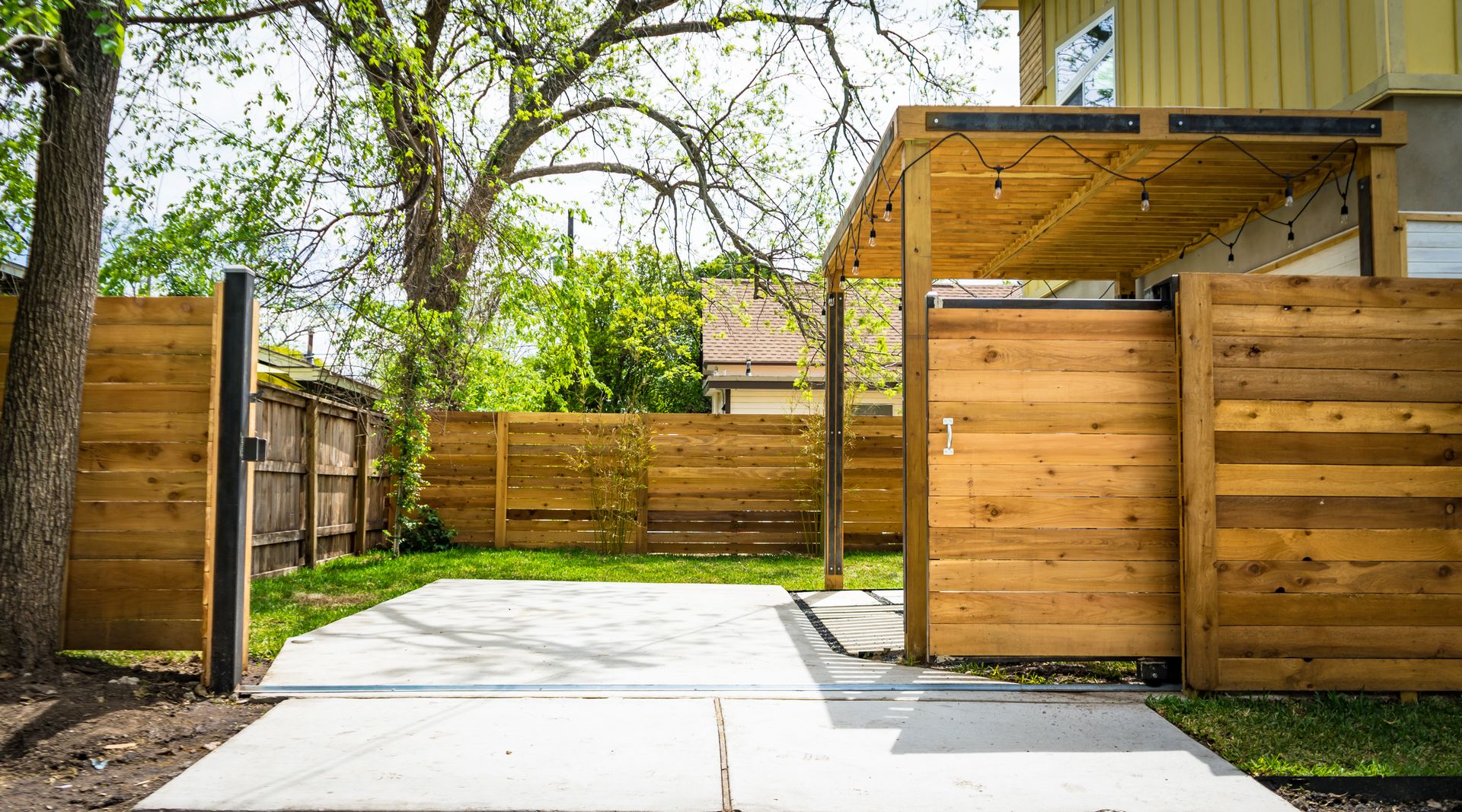
Wood gives a New Orleans yard privacy, warmth, and a classic look at a reasonable cost. The right species, grade, and style make the difference between a fence that lasts and one that fights the weather every season.
Why Choose a Wood Fence
Wood keeps earning its spot around homes and businesses in New Orleans.
Cost-Effective
Wood usually costs less than many other fence materials, and better wood treatments have improved how well it holds up outdoors.
Lightweight
Boards and pickets are light to handle, which makes wood easy to shape to your yard and your design.
Full of Character
Wood suits a cottage, a ranch, or a modern home, and it can be finished to match your style.
What to Weigh Before Choosing Wood
Five questions shape the right fence for your property.
Form
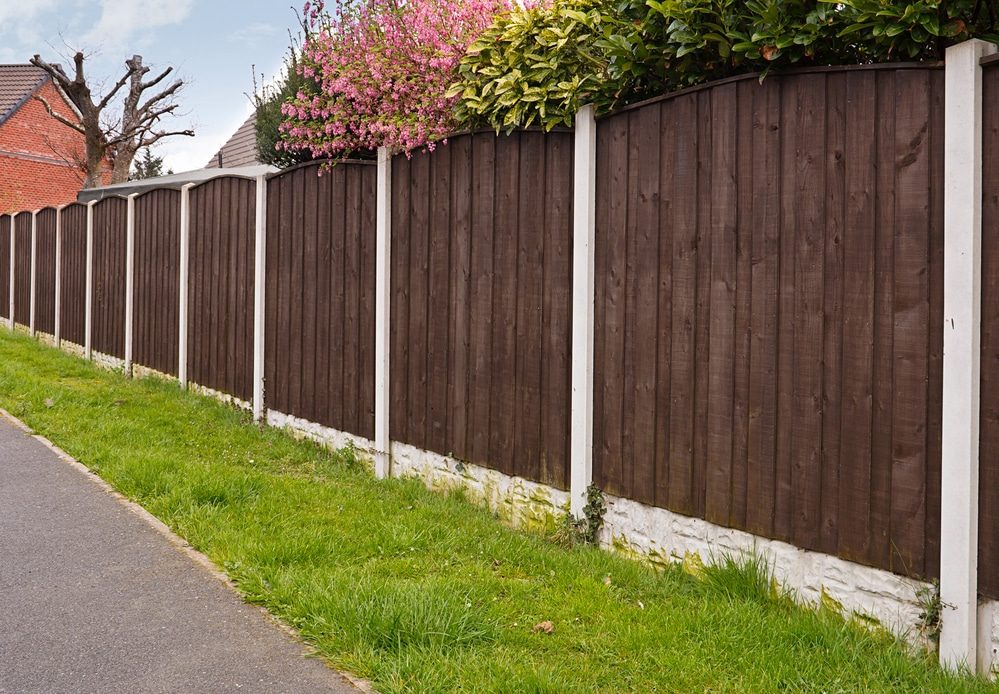
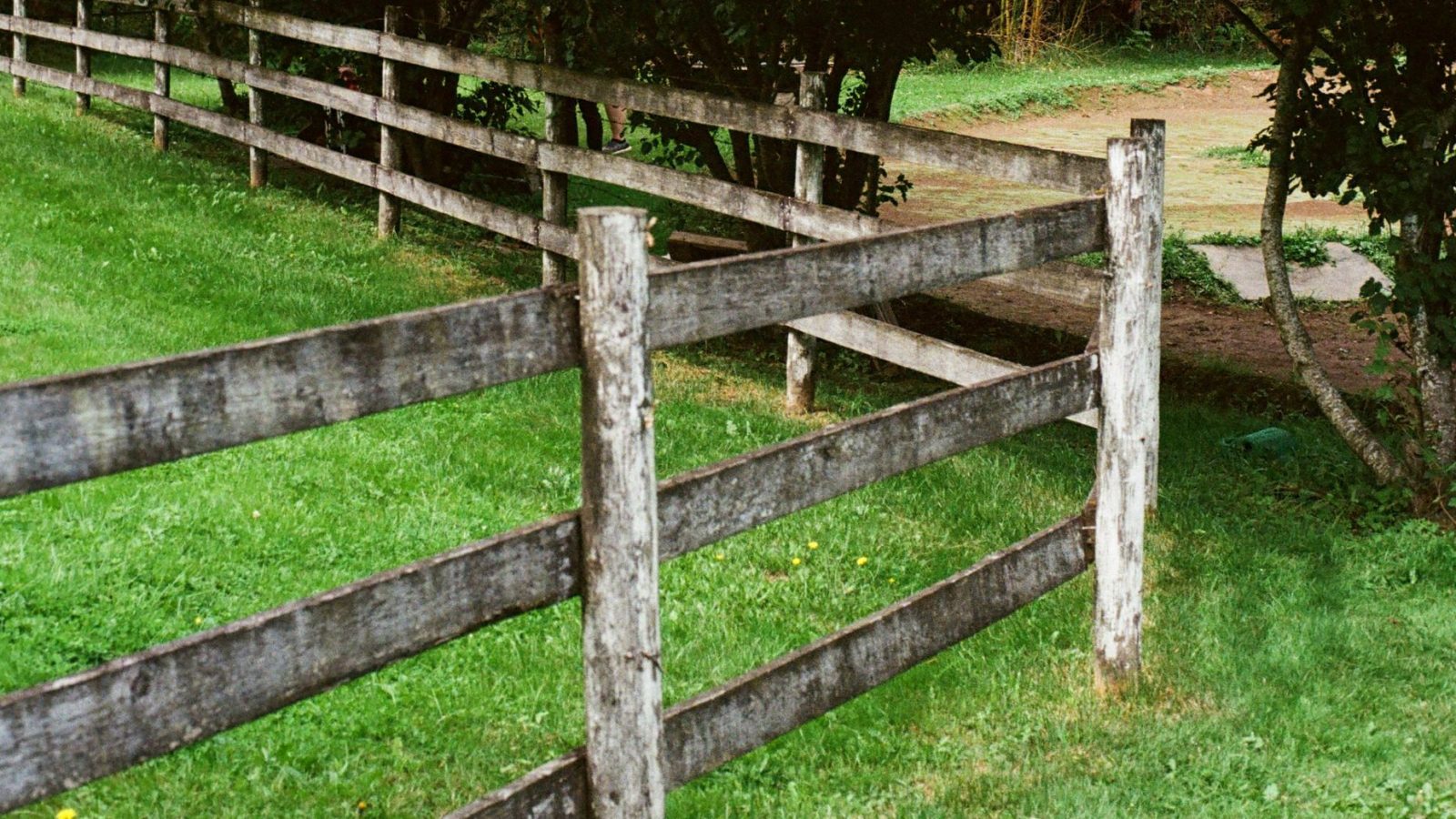
Match the fence to the house and the landscape. A split-rail fence suits a ranch-style home, while a picket fence is a natural fit for a cottage.
Function
Decide the main job first. Security, keeping animals in, and privacy from sight or noise each point toward a different design.
Rot Resistance
A fence outdoors in New Orleans humidity needs wood that resists rot. Cedar and pressure-treated lumber are popular for that reason.
Specialized Lumber
Some designs call for specific products. A lattice privacy screen, for example, does best with lumber treated for extra durability.
Grade
Construction, select, premium, and clear grades are generally the safer picks. They give a more even look and better quality than lower grades.
Best Woods for a New Orleans Fence
These four come up most often.
Cedar
Natural oils help cedar deter insects. It balances price and lifespan, and its rot resistance helps it last.
Cypress
A durable option that resists rot and deters insects through its own natural oils.
Redwood
Prized for its deep red color and widely used for fencing. It costs more, and it can be treated or stained to keep it from turning gray.
Pine
A popular, affordable pick for pickets and boards. Pressure treatment improves its durability and moisture resistance.
Pressure-Treated Lumber and Softer Woods
A few more materials round out the list.
Pressure-Treated Lumber
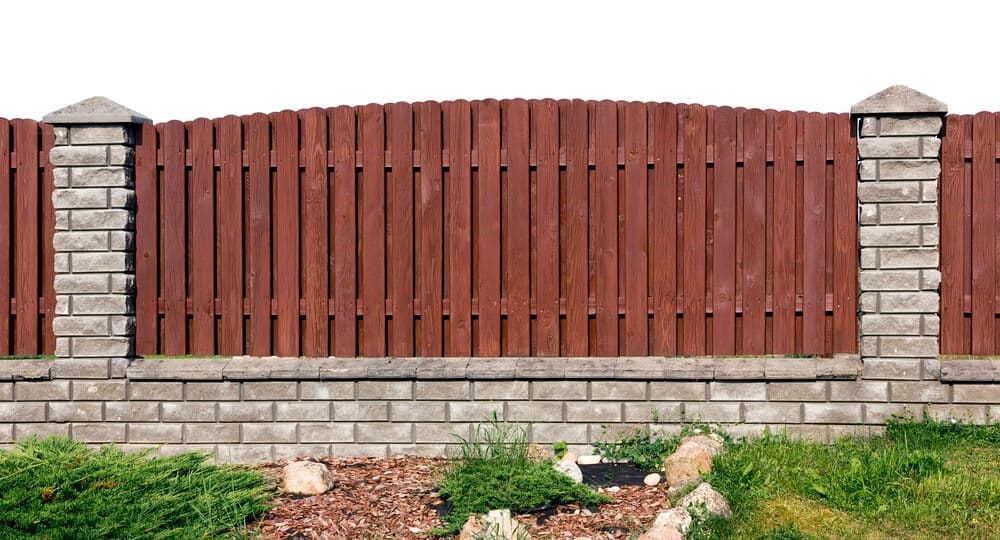
This lumber is chemically treated to resist rot and insects. Kiln-dried boards are worth asking about, since they are less likely to warp.
Fir and Spruce
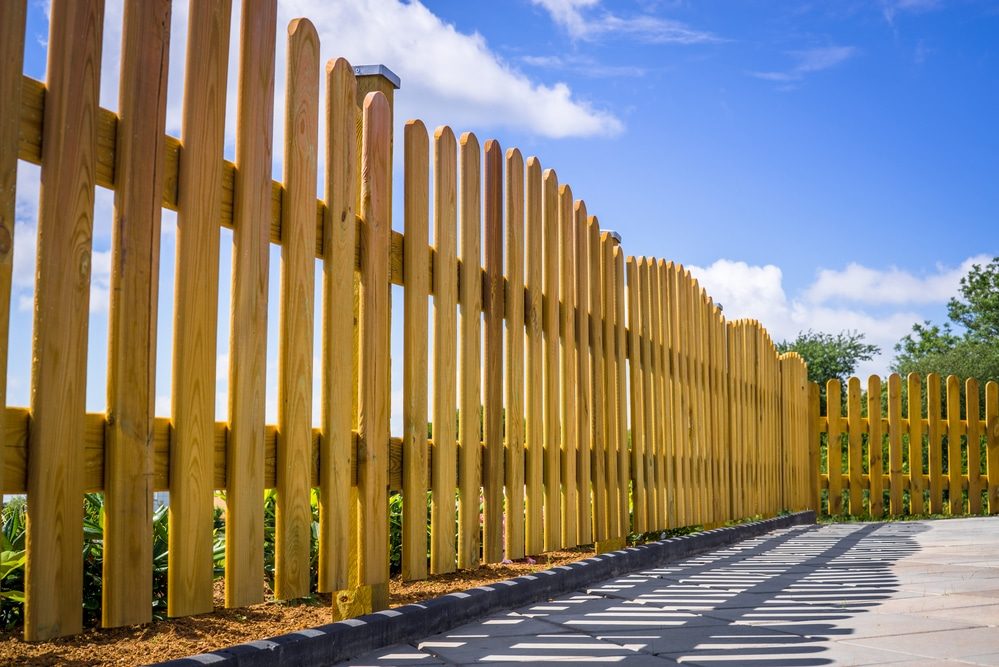
Fir is stable and sap-free in clear, vertical-grain cuts, which suits picket fences, though it resists rot less well than cedar or redwood. Spruce is affordable and common in stockade and picket panels, but it can warp in damp conditions and is more prone to insects.
White Oak
A strong, popular choice for ranches and horse farms. It tends to warp or bow over time.
Popular Wood Fence Styles
From classic pickets to modern louvers.
Wood Picket Fence
The classic front-yard look, with evenly spaced boards that mark the line without blocking the view.
Post and Rail Fence
Open rails set between posts. A natural match for larger lots and ranch-style homes.
Wood Lattice Fence
Crisscross panels that soften the view and work as a light privacy screen.
Louver Fence
Angled or horizontal slats that let air move through while limiting the view.
Vertical Board Fence
Tight, upright boards that give the most privacy and a solid, traditional look.
Ornamental Wood Fence
Decorative tops and detailing that turn a fence into a design feature.
Related Fence Types and Services
Wood Fence Questions, Answered
What New Orleans homeowners ask before choosing wood.
Which Wood Is Best for a Fence in New Orleans?
What Should I Consider Before Choosing Wood?
Is Pressure-Treated Wood a Good Choice?
What Wood Fence Styles Are Available?
Does Big Easy Fence Build Wood Fences for Businesses?
Are Wood Fences a Good Value?
Ready for a Better Fence?
Get a free, no-obligation estimate for your property.