In This Guide
- Vinyl, aluminum, and chain link ask the least of you, while wood and iron need regular sealing or coating to hold up in our humidity.
- Humidity, heavy rain, and strong sun drive most fence problems here, so a material’s weather resistance matters more than its looks alone.
- Even a low-maintenance fence benefits from a few quick checks a year, especially before hurricane season and after big storms.
- The easiest fence to maintain is the one you will really keep up, so match the material to your time and habits.
If your weekends already fill up fast, the last thing you want is a fence that demands a Saturday of scraping and painting. Some materials need very little from you, and others need steady attention to survive New Orleans humidity. This guide sorts the common choices by how much work they ask for.
The team at Big Easy Fence hears this question often, and the honest answer is that upkeep and looks trade off against each other. You can see the whole lineup on our fence types page. The rest of this post helps you pick from it.
Why Upkeep Matters in Louisiana
Fences everywhere need some care, and ours face more than their share. Constant humidity feeds rot in wood and mildew on shaded surfaces. Heavy rain finds every gap. Strong sun fades finishes and dries out unprotected wood. Storm winds test posts and panels once a year, if we are lucky.
A fence that stays in good shape protects your privacy and security and keeps the property looking cared for. A neglected one is more likely to fail in a storm and cost you a bigger repair. Choosing a material that fits your schedule helps you avoid that.
The Easiest Fence Materials to Maintain
These three ask the least of you, and each suits a different kind of yard.
Vinyl
Vinyl does not need painting, staining, or sealing, and it does not rot. A wash with soap and water keeps it clean. In our humid climate, plan on cleaning off mildew in shaded areas once in a while. This is the top pick for people who want privacy with almost no upkeep.
Aluminum
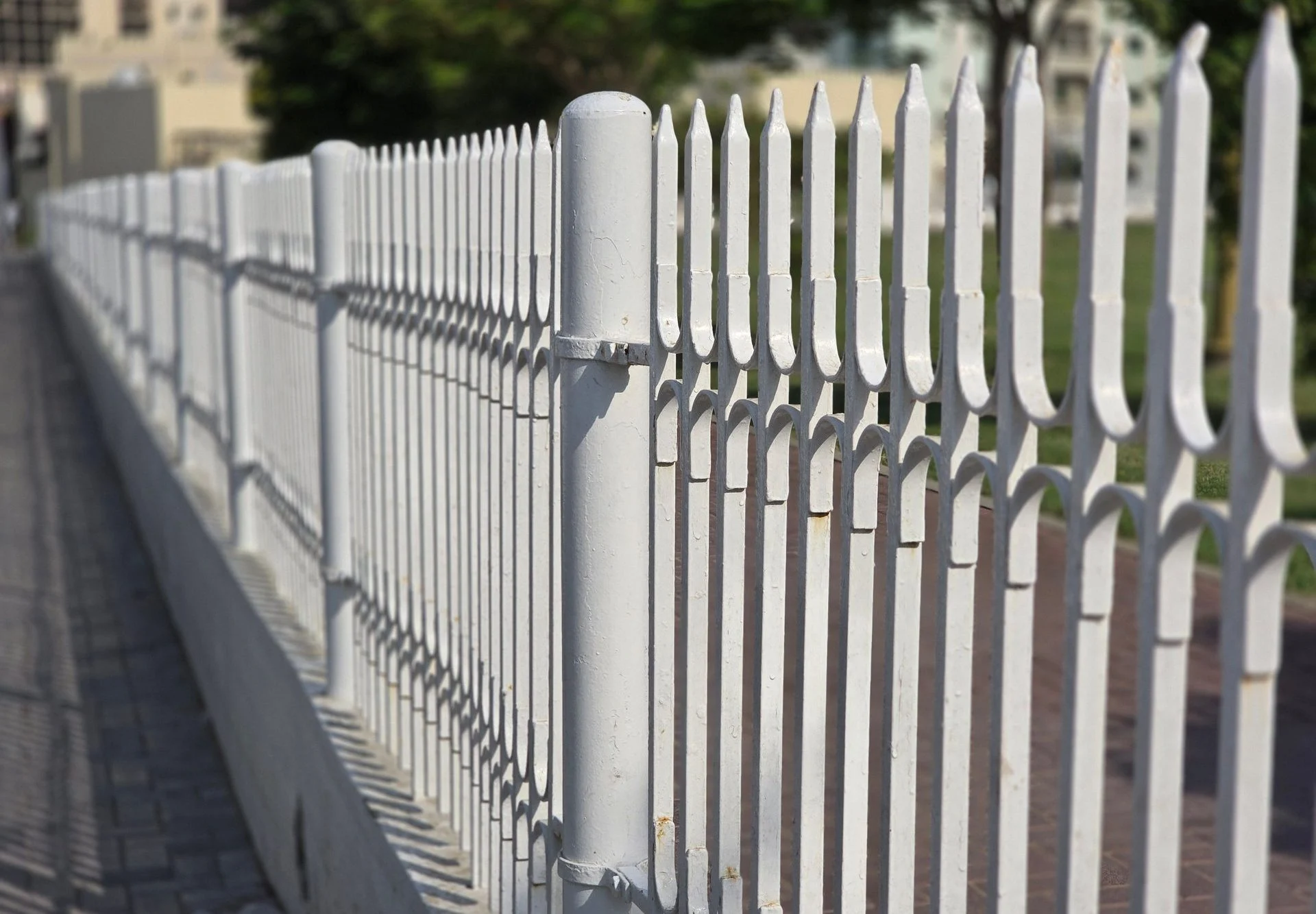
Aluminum does not rust and does not need painting. It gives you a neat, ornamental look and lasts well in humid and salt-touched air. Its one limit is privacy, since most designs are open. Our metal fence page shows what is available.
Chain Link
A coated chain link fence is durable and needs little more than an occasional look for damage. It gives you security and containment at a lower price, although it does not offer privacy unless you add slats or plantings.
Materials That Need More Attention
Nothing here is a bad choice. These options simply reward regular care.
Wood
A wood fence looks warm and natural, and it can be built in almost any style. In our climate, it needs sealing or staining on a regular schedule to hold off rot and sun damage, plus a look at the boards near the ground. If you love the look, it is worth the effort, but it is the wrong pick for someone who wants a hands-off fence.
Steel and Wrought Iron
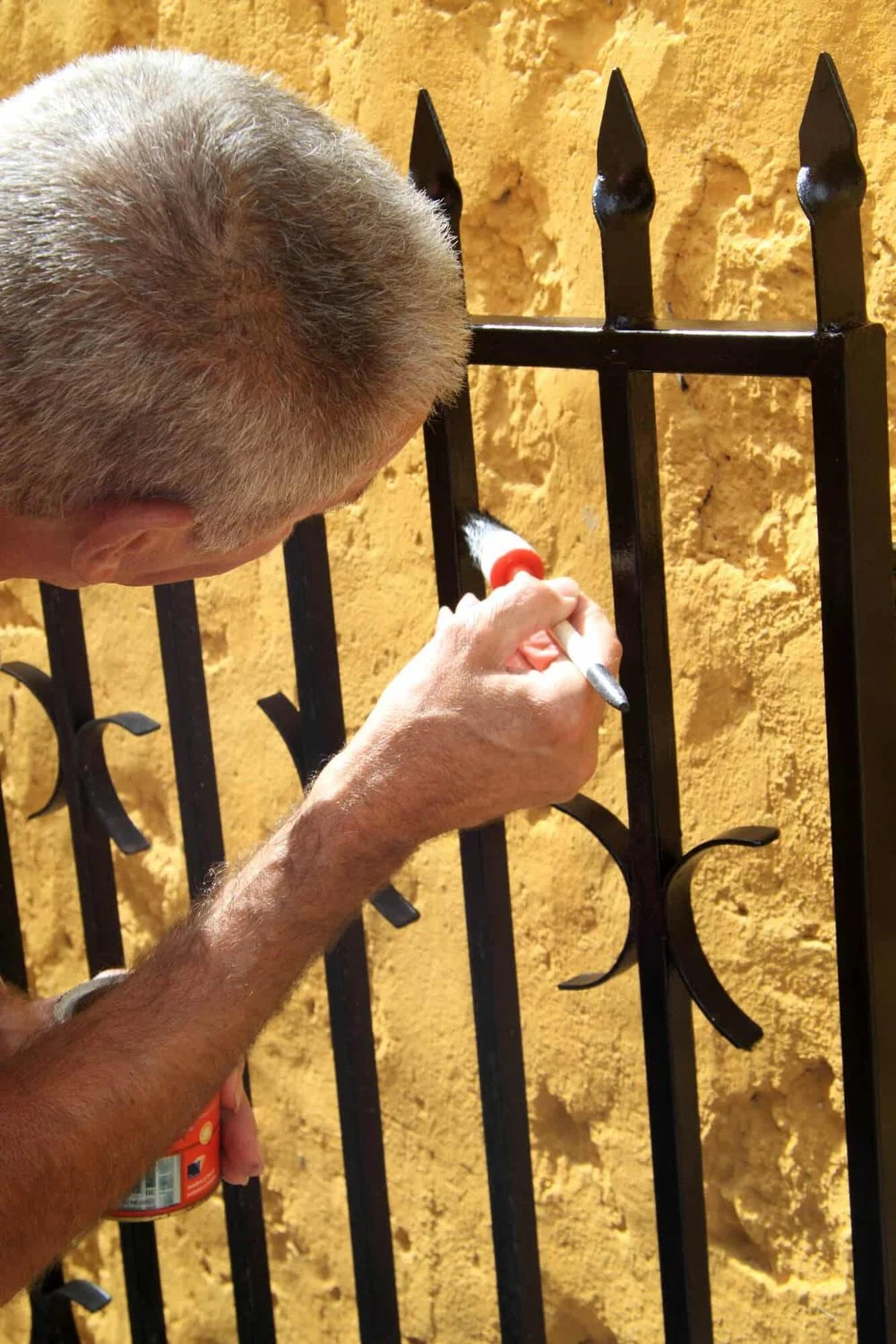
Steel and iron are strong and handsome. They will rust once the protective coating wears through, and humidity speeds that up. Keep an eye out for chipped paint and early rust spots, and touch them up before they spread.
Composite
Some composite fencing products are designed to look like wood while skipping much of the upkeep. Details differ from one product to the next, so ask what the specific product needs and how it handles heat and moisture.
Maintenance Compared at a Glance
| Material | Regular Upkeep | Louisiana Watch-Out | Effort Level |
|---|---|---|---|
| Vinyl | Occasional washing | Mildew in shaded spots | Low |
| Aluminum | Light cleaning | Dents from hard impacts | Low |
| Chain Link | Occasional inspection | Rust if the coating is damaged | Low |
| Wood | Sealing or staining, board checks | Rot and mildew from humidity | High |
| Steel and Iron | Touch-ups to the coating | Rust once paint chips | Medium |
Keeping Any Fence in Shape With Very Little Time
Even a low-maintenance fence benefits from a few short checks a year. Ten minutes at the right moment prevents most big repairs.