In This Guide
- Safety comes first. Stay clear of downed lines, leaning sections, and broken boards with exposed nails.
- Photograph every bit of damage before you move anything.
- Close off gaps for the short term so kids, pets, and pool areas stay protected.
- Call a fence pro once the weather clears and the yard is safe to walk.
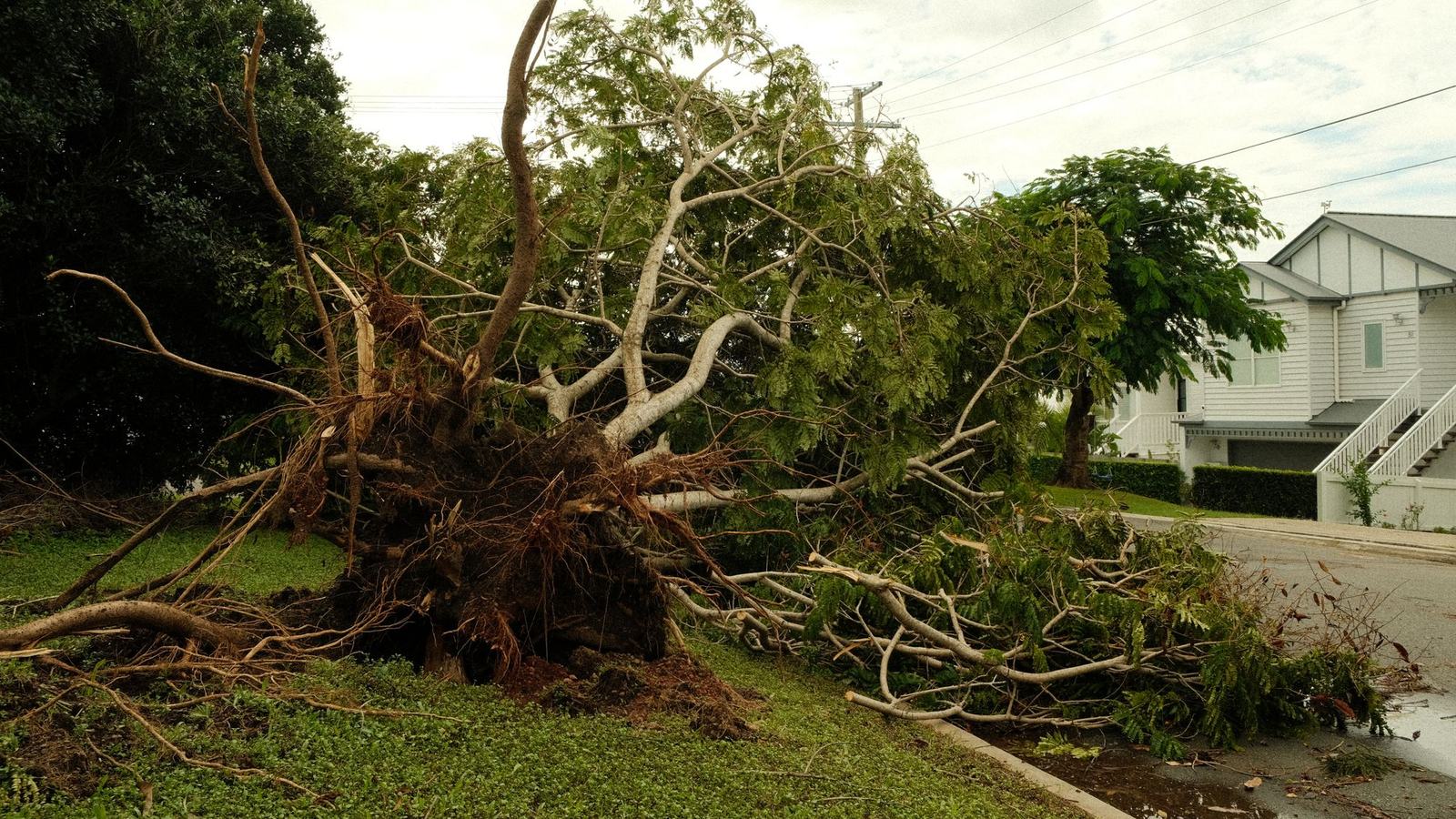
When a storm damages your fence in New Orleans, the order you do things in matters. Make the area safe, photograph the damage, secure the yard for the short term, and then have a pro look at what’s still standing. Pulling boards or propping up posts before the first two steps can get someone hurt and leave you without a record of what happened.
This guide covers the first few days after the wind dies down. If you already know you’ll need help, our residential fence repair crew can come look at the damage once it’s safe to reach. Most avoidable mistakes happen in the first day or two, so work through the steps below before you call any New Orleans fence company, us included.
Step 1: Make Sure the Area Is Safe
A damaged fence can look harmless. Before anyone walks the property line, check for these four hazards.
Watch for Downed Power Lines
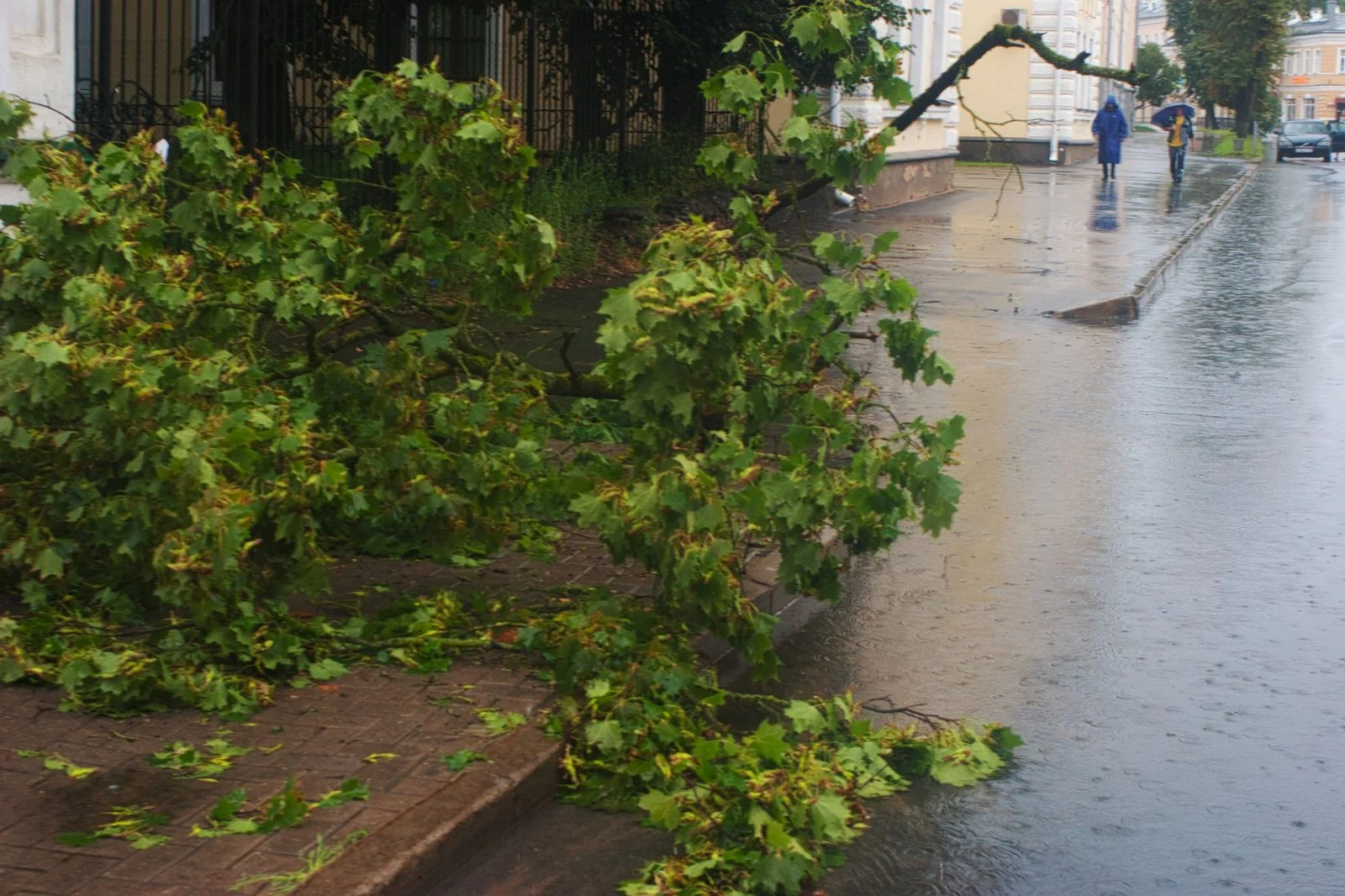
Fences often run along the same edges of a lot as overhead utility lines. If a line is touching the fence or lying near it, treat the whole fence as live.
Metal panels and rain-soaked wood can both carry current. Keep everyone back and report the line to your utility company before anyone gets close.
Check for Leaning Sections and Loose Posts
A section that survived the storm at an angle can still fall. After heavy rain, New Orleans soil gets soft and holds posts poorly.
A panel that looks steady can tip the moment someone leans on it or the next gust comes through. Give leaning runs a wide berth until a pro has looked at them.
Look Out for Nails, Splinters, and Sharp Metal
Snapped pickets come with exposed nails. Torn chain link and bent metal panels leave sharp edges. Put on work gloves and closed-toe shoes before you walk the fence line.
Keep Kids and Pets Away From the Damage
A gap in the fence is an easy way out for a dog and an easy way in for a curious child. Until the gaps are closed, keep pets on a leash in the yard and kids away from the damaged side.
Step 2: Document the Damage Before You Touch Anything
Photos taken now are the best record you’ll ever have of what the storm did. Once boards get stacked and debris gets hauled to the curb, that record is gone.
What to Photograph
Walk the full length of the fence and capture:
- Wide shots of each run from both ends, so the whole line is visible
- Close-ups of snapped posts, cracked rails, split boards, and bent panels
- Any tree limbs or debris that hit the fence, left where they landed
- The gate, including whether it still swings and latches
- Your neighbor’s side, if you can see it without stepping onto their property
Add Video and Notes
A slow video walking the line helps too. Write down the date and when you first noticed the damage.
Check With Your Insurer and Your Neighbor
Before you file anything or throw anything away, check with your insurer. If the fence is shared, let your neighbor know what you’ve found and share the photos with them.
Step 3: Secure the Yard for the Short Term
The goal here is temporary. You’re closing gaps and removing hazards until a proper repair can happen.
Clear Loose Debris Carefully
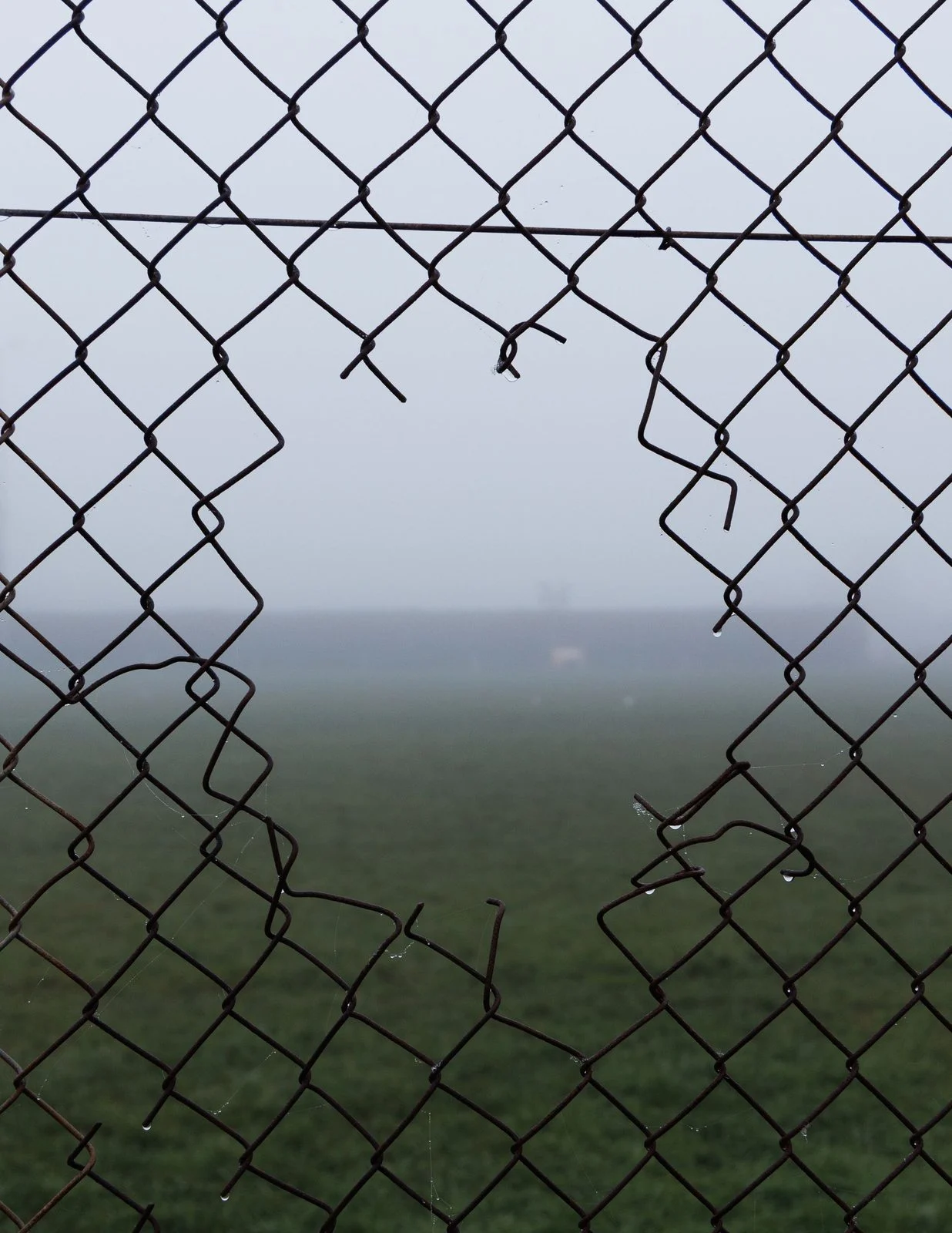
Move fallen boards and small branches away from walkways, and stack them somewhere out of the way. Leave anything heavy, anything tangled in wires, and any large limbs resting on the fence for a pro or a tree crew.
Close Off Open Gaps
For a short break, plastic safety fencing or construction mesh tied to the standing posts on either side works as a stopgap. A sheet of plywood staked upright can close a smaller hole. If the gate won’t latch, tie it shut so it can’t swing open in the wind.
Give Pool Areas Extra Attention
If your fence is part of the barrier around a pool, a gap there is a safety problem right away. Close it off before anything else and keep the pool area off-limits until it’s fixed.