In This Guide
- A fence that lasts decades protects your property, keeps its curb appeal, and spares you the cost and hassle of repeated replacement.
- Lifespan depends on the material, the quality of installation, and how well the fence is maintained through heat, humidity, storms, and pests.
- Aluminum with a proper powder coating can last roughly 15 to 25 years or more with good care, and other materials follow the same care-driven pattern.
- A simple yearly routine of cleaning, checking, and touching up the finish does more for lifespan than most upgrades.
Most people judge a fence by how it looks on installation day. The better test is how it looks in year ten. A fence that keeps its shape, finish, and strength over decades saves you money, worry, and a lot of weekends.
This guide from Big Easy Fence is about lifespan: what shortens a fence’s life in New Orleans, how the main materials age, and what you can do to stretch the years. If you want a material-by-material look at strength and storm resistance, our guide to choosing durable fences covers that side.
Why Lifespan Matters
A long-lasting fence protects the property and adds to its appearance. A fence that wears out early becomes a constant source of repairs, and every repair adds to the bill. A sturdy one keeps your yard secure and your home looking good, and it does so for years without much attention.
Replacing a fence also takes time and money you might rather spend elsewhere. Choosing well once is easier than choosing twice.
What Wears Out a Fence in New Orleans
The Gulf Coast climate is demanding. Intense heat, humidity, heavy rain, high winds, and the occasional flood all take a toll. Add termites and other pests, and any weak spot in a fence will show sooner than it would somewhere milder. That is why some materials and designs hold up better here than their brochures suggest.
How Each Material Ages
Wood Fences
The lifespan of a wood fence depends on exposure and care. Rain and sun cause weathering and decay, termites can shorten the life of boards and posts, and poor installation or skipped upkeep speeds up the decline. Quality wood with a protective coating extends the life considerably.
Vinyl Fences
Vinyl lasts when the material is high quality and the installation is done well. Poor vinyl cracks, fades, and warps. Extreme heat and strong winds can also damage panels, which leads to repairs and a shorter life.
Aluminum Fences
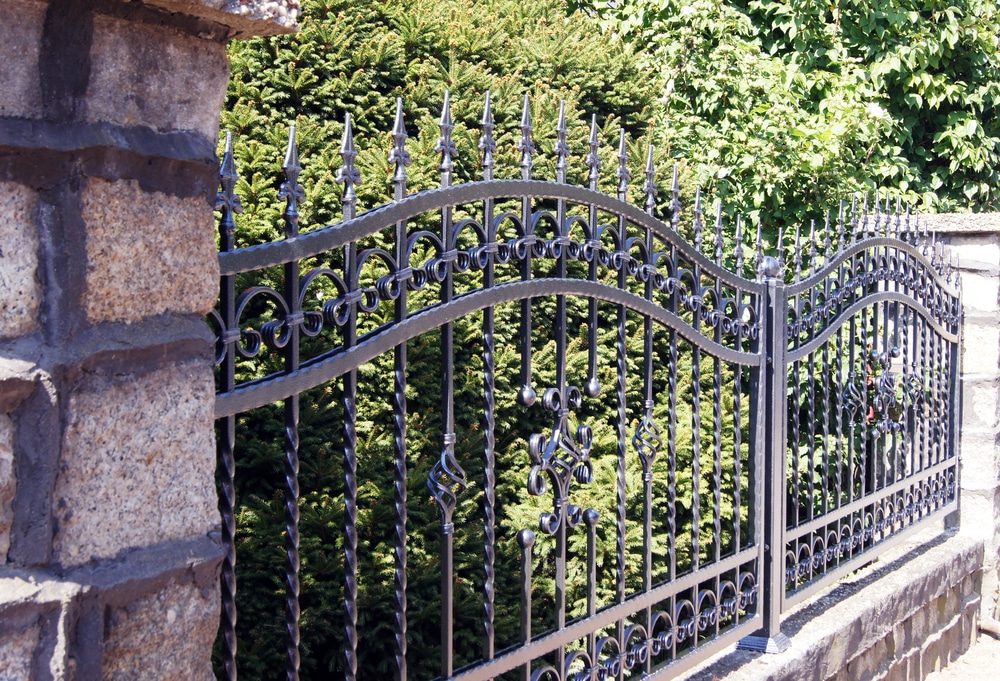
Aluminum with a good powder coating tends to outlast cheaper materials with thinner finishes. Corrosion, fading, and cracking shorten the fence’s life, and cleaning and touch-up paint help fight all three. With proper care, an aluminum fence can last roughly 15 to 25 years or more.
Steel Fences
Materials and maintenance matter most for steel. Substandard steel corrodes early, while regular cleaning and repainting keep rust away. Exposure to moisture and chemicals affects the result, and proper installation helps a steel fence serve for many years. You can compare our metal fence options to see how they are built.
A Simple Routine That Adds Years
The biggest gains in lifespan come from small habits. Set a reminder and follow this rhythm each year.
- Clean it. Wash off dirt, mildew, and debris so moisture cannot sit against the surface.
- Inspect it. Look for leaning posts, loose boards, cracked panels, rust spots, and soft wood at the base.
- Refresh the finish. Reseal or restain wood, and touch up chipped paint on metal before rust starts.
- Fix small problems fast. A single loose board or rust patch is a quick repair. Left alone, it becomes a panel or a section.
- Check again after storms. High winds and flooding can shift posts and hide damage.
Catching a problem in its first season usually keeps the repair small. Our fence repair team can look at anything you are unsure about before it spreads.
Looking at Cost Over the Long Haul
The price on the quote covers day one. A fence that lasts decades has to be judged across all of those years, so add up the pieces before you compare two options.
- Upfront cost. Materials, labor, and gates.
- Upkeep cost. Sealer, paint, cleaning supplies, or a yearly service visit.
- Repair cost. Small fixes over time, plus any storm damage.
- Replacement cost. What it takes to tear out and rebuild when the fence finally wears out.
A fence with a higher upfront price and low upkeep often comes out even or ahead of a cheaper one that needs constant attention. The reverse can also be true, so run the numbers for your own yard.
Choosing With the Long View
A few questions at the start keep you from buying a fence that will not last as long as you need it to.
- What is the fence for? Privacy, security, pets, or looks each point to a different height, style, and material.
- Does the style fit the house? A fence that complements your home’s