In This Guide
- A durable fence has to handle humid summers, heavy rain, and storm season without warping, rusting, cracking, or leaning.
- Each material fails in its own way: wood rots, steel rusts, vinyl can crack from sun exposure, and chain link needs a good coating.
- Material quality, coating or thickness, and installation quality matter as much as the material type on the label.
- Match the weak spot of each material to the demands of your yard before you commit.
New Orleans is tough on outdoor structures. Summers are hot and humid, rain arrives in heavy bursts, and hurricane season tests every post and panel. A fence picked only for its looks can start failing within a few seasons.
This guide from Big Easy Fence looks at durability as a working question: what does each material do well, where does it break down, and what should a Louisiana homeowner check before choosing one? For the long view on lifespan, see our separate guide to choosing a fence that lasts for decades. This one is about how each material behaves under everyday stress.
What Durability Really Means
A durable fence keeps doing its job. It stays upright in wind, resists moisture and insects, holds its finish in the sun, and shrugs off knocks from mowers, kids, and delivery trucks. It also keeps its security, so it should be hard to breach or vandalize.
Durability affects your wallet as much as your yard. A fence that survives the weather saves you from constant repairs and an early replacement, and it gives you peace of mind when a storm is in the forecast.
What Wears a Fence Down
Three things decide how tough a fence turns out to be. The material is the first. The second is the quality of the install: unevenly spaced posts or unstable footings lead to leaning and collapse. The third is exposure, since wind, rain, and sun cause fading, warping, and cracking over time. Regular cleaning, restaining, and small repairs can slow all three.
How Each Material Holds Up
| Material | Main Weak Spot | What Protects It |
|---|---|---|
| Wood | Rot and insects | Sealer or stain and treated posts |
| Vinyl | Fading and cracking in strong sun | Quality material and proper install |
| Aluminum | Scratches to the coating | Powder coating and touch-ups |
| Steel | Rust | Protective paint or coating |
| Chain Link | Rust and stretched wire | Galvanized or coated wire |
| Composite | Higher cost | Careful installation |
Wood Fences
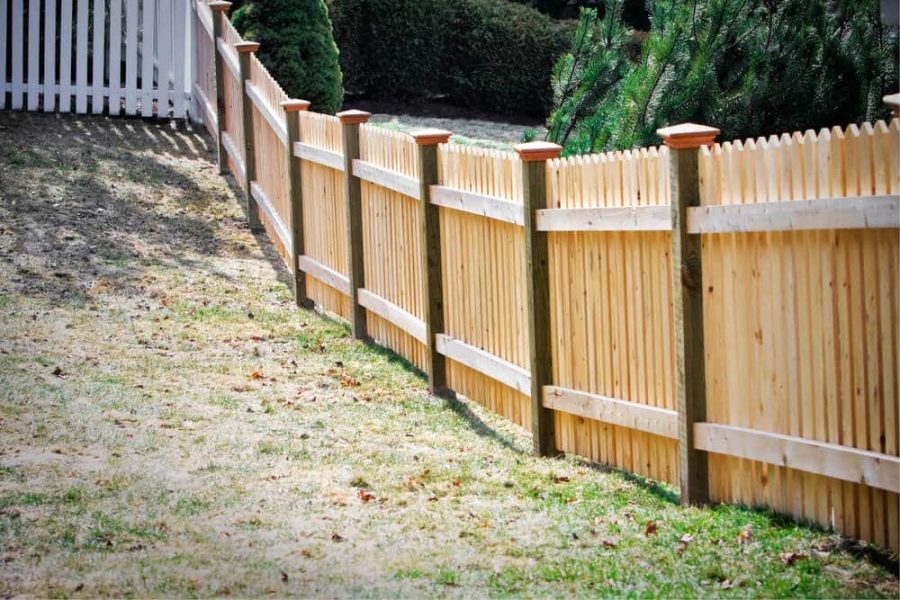
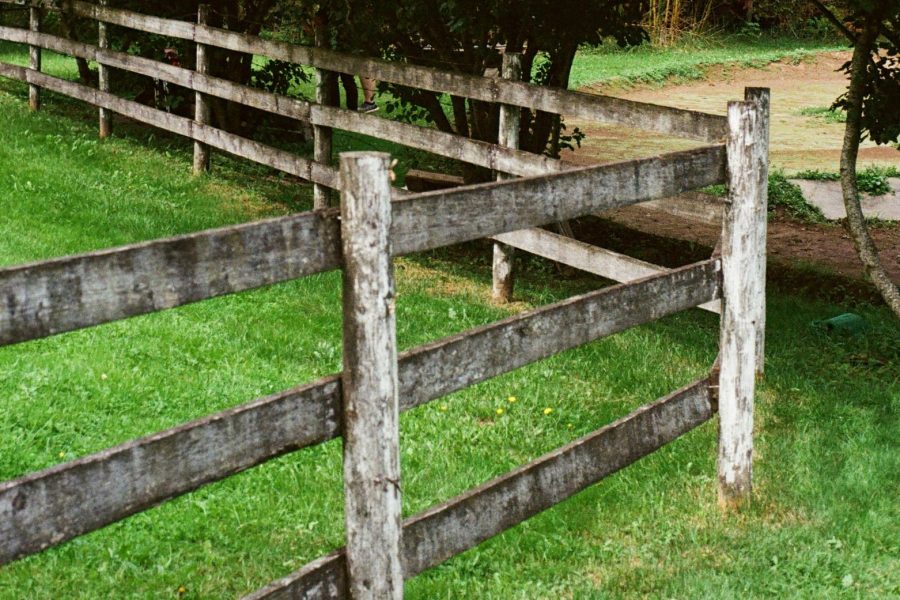
A wood fence offers natural beauty and plenty of design choices. In this climate, moisture is its main enemy. Untreated wood rots, warps, and attracts insects, so it needs protective coatings and regular checks to stay strong. A flimsy or neglected wood fence also gives up its security value.
Vinyl Fences
Vinyl resists rot and insects and needs little upkeep. Sun and heat are its challenges, since low-quality vinyl can fade, discolor, warp, or crack over time. Thickness and installation quality make the difference between a vinyl fence that lasts and one that turns brittle.
Aluminum Fences
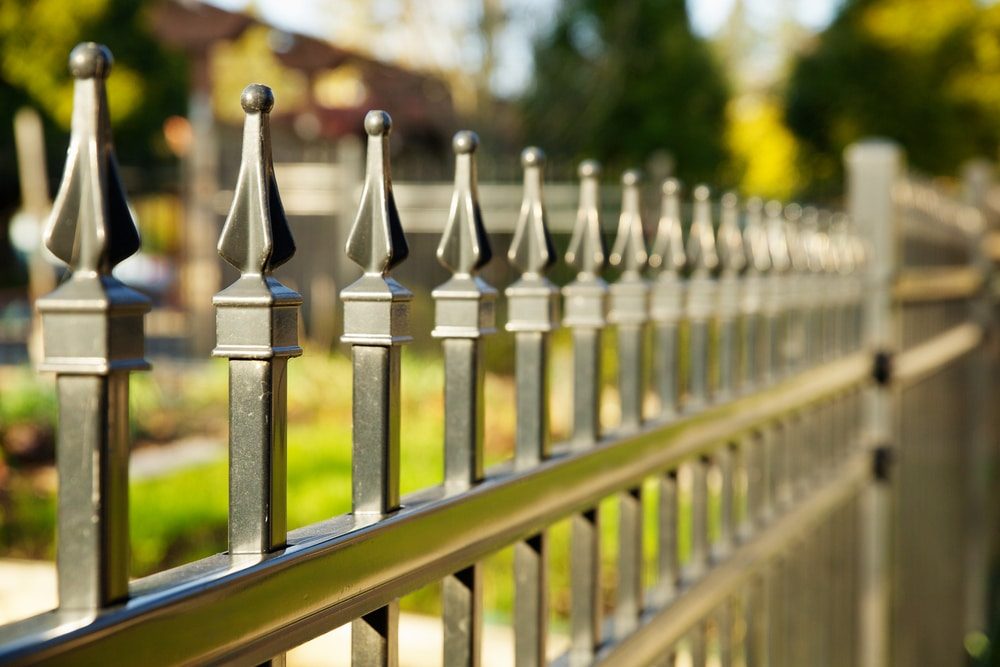
Aluminum is strong for its weight and does not rust. That makes it a natural fit for a wet climate, and a good powder coating protects the finish from fading and chipping. Scratches through the coating are the thing to watch.
Steel Fences
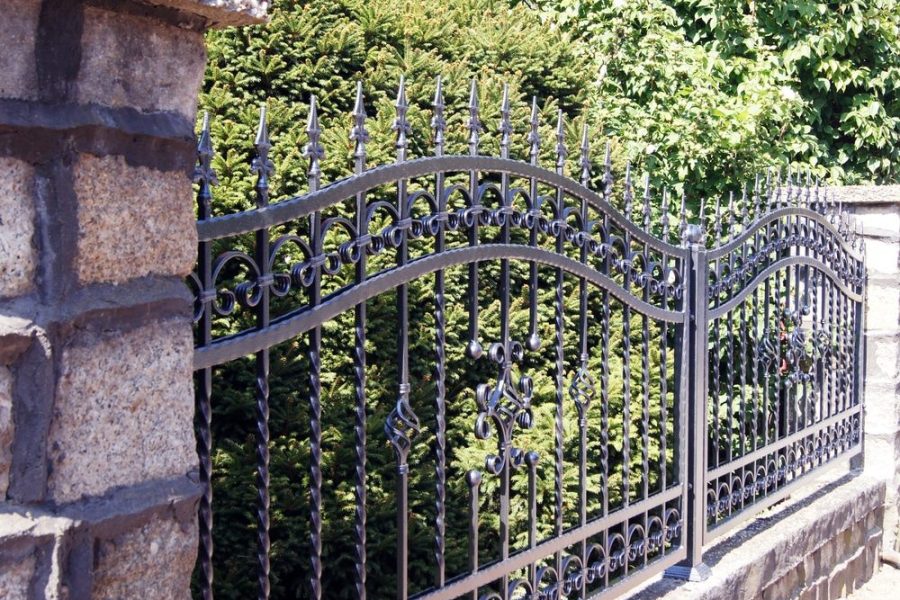
Steel is heavy-duty and hard to damage, which makes it popular where security matters. Its weakness is rust. Where moisture sits on unprotected steel, corrosion can eat the metal and weaken the fence, so a good coating and touch-up paint are essential. See our metal fence options for how these fences are built and finished.
Chain Link Fences
A chain link fence handles wind, rain, and sun well when the wire is galvanized or coated. It is a practical, budget-friendly barrier that keeps intruders out, though it gives up privacy unless you add slats.
Composite Fences
Composite blends two or more materials into a stronger, longer-lasting board. It stands up to moisture and sun, and it usually costs more up front than wood or chain link. It also rewards careful installation.
Choosing Based on Your Yard
Start with the conditions your fence will face, then pick a material whose weak spot you can manage.
- Wet or low-lying yard. Aluminum, coated steel, and composite handle constant moisture better than untreated wood.
- Full sun all day. Choose quality vinyl or a well-coated metal, and skip the cheapest options that fade quickly.
- Security first. Steel and other heavy metal fences are hard to cut, climb, or bend.
- Tight budget. Chain link with a proper coating gives solid durability at a low price.
- Natural look. Wood works if you commit to sealing it and inspecting it.
Two fences made of the same material can last very different lengths of time. Thickness, coating quality, and post installation decide how each one ages, so ask about them in every quote.
Storm Season and Your Fence
Wind is the test that separates a strong fence from a weak one. Deep, solid post footings and tight connections between panels and posts keep a fence upright when gusts arrive. Check the fence before hurricane season, clear debris from around it, and walk it again after any major storm. If you find damage, our fence repair service can fix it before it spreads.
Making the Final Call
Durability is a decision about tradeoffs. Every material has a weak spot, and a smart choice puts that weak spot where your yard can handle it. Get a contractor who knows local conditions to look at your property and walk you through what will and will not last.
When you are ready to see what fits, our residential fencing team can review your space and provide a free estimate.
Need a Fence That Can Take a Storm?
Tell us what your fence has to withstand, and we will help you choose a material and build that matches.