In This Guide
- A sustainable fence comes from responsible sources, lasts a long time, and can be reused or recycled when it finally wears out.
- Responsibly sourced wood, reclaimed wood, recycled-content composite, and recyclable metals are the main eco-minded options for a new home.
- The fence you replace least often is usually the greenest and the cheapest over time, so lifespan and upkeep belong in the budget.
- Humidity, termites, and storm season in Louisiana change which materials make sense, so match the material to the yard before you buy.
Most new homeowners pick a fence in a hurry and never ask where it came from or where it goes when it wears out. That is a missed chance, because the greenest fence is often the cheapest one too. A fence you replace less often uses fewer resources and costs less over the long run.
Here is how the team at Big Easy Fence weighs sustainability against a real budget, so you can choose a fence that is easy on both the planet and your bank account.
What Makes a Fence Sustainable
No single label settles it. A sustainable fence is one that scores well on three questions, and you can ask them about any material on the market.
Where the Material Comes From
Wood from responsibly managed forests, reclaimed lumber, and products made with recycled content all reduce the pressure on new raw materials. Anything that requires heavy harvesting or a long chain of processing carries a bigger footprint before it ever reaches your yard.
How Long It Lasts
Lifespan is the factor most people skip. A fence that lasts twice as long means half as many replacements, half as much waste, and half as many trucks hauling materials to your street. Durability is a sustainability feature.
What Happens at the End
Some materials can be recycled, reused, or repurposed when the fence comes down. Others go straight to a landfill. Steel and aluminum can be recycled, sound boards can often be reused, and materials that never break down are the hardest to dispose of responsibly.
Eco-Minded Fence Materials Worth a Look
Each option below has an upside and a catch. The table gives the short version, and the notes after it fill in the detail.
| Material | Eco Upside | Watch Out For |
|---|---|---|
| Responsibly Sourced Wood | Renewable, and it can be reused or recycled | Needs sealing and upkeep in humid weather |
| Reclaimed Wood | Gives used lumber a second life | Condition varies, so it needs a careful look |
| Recycled-Content Composite | Keeps plastic and wood waste out of landfills | Higher upfront price and precise installation |
| Aluminum and Steel | Long-lived and recyclable | Steel needs a good coating against rust |
| Bamboo | Fast-growing and renewable | Can split or rot in constant moisture |
Responsibly Sourced Wood
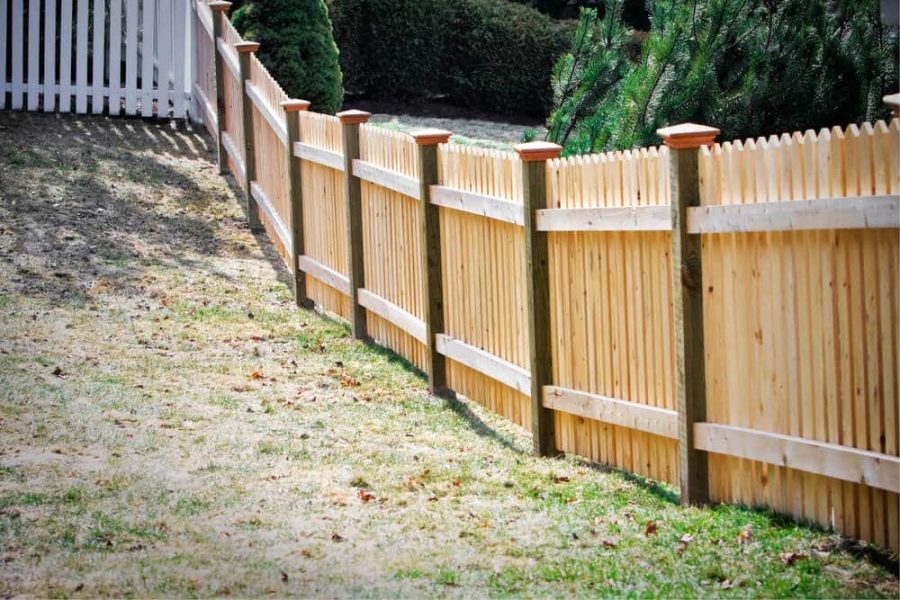
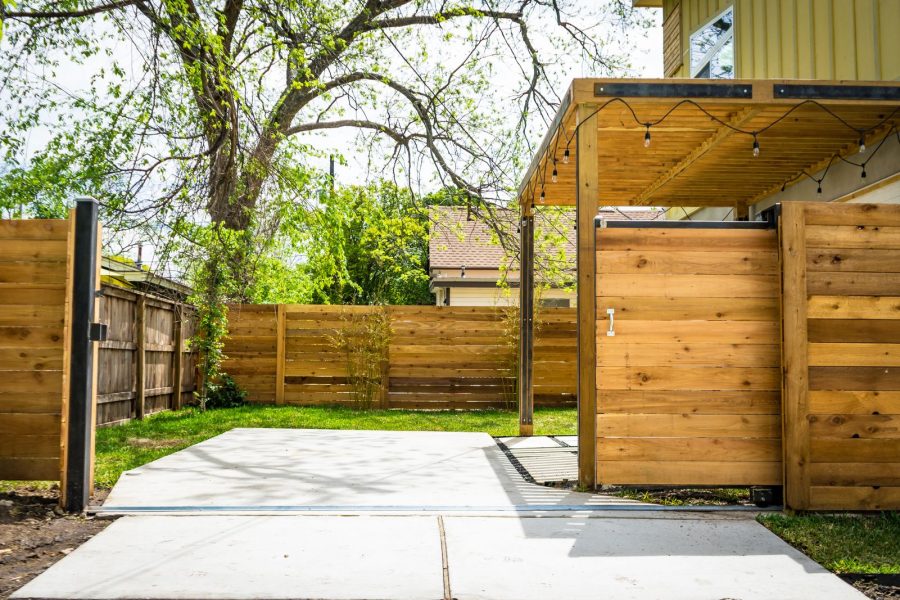
A wood fence made from lumber harvested with care is a renewable choice, and it looks at home in almost any yard. Ask your supplier where the wood came from. Then plan to seal it, because a wood fence that rots in eight years is not sustainable no matter where the trees grew.
Reclaimed Wood
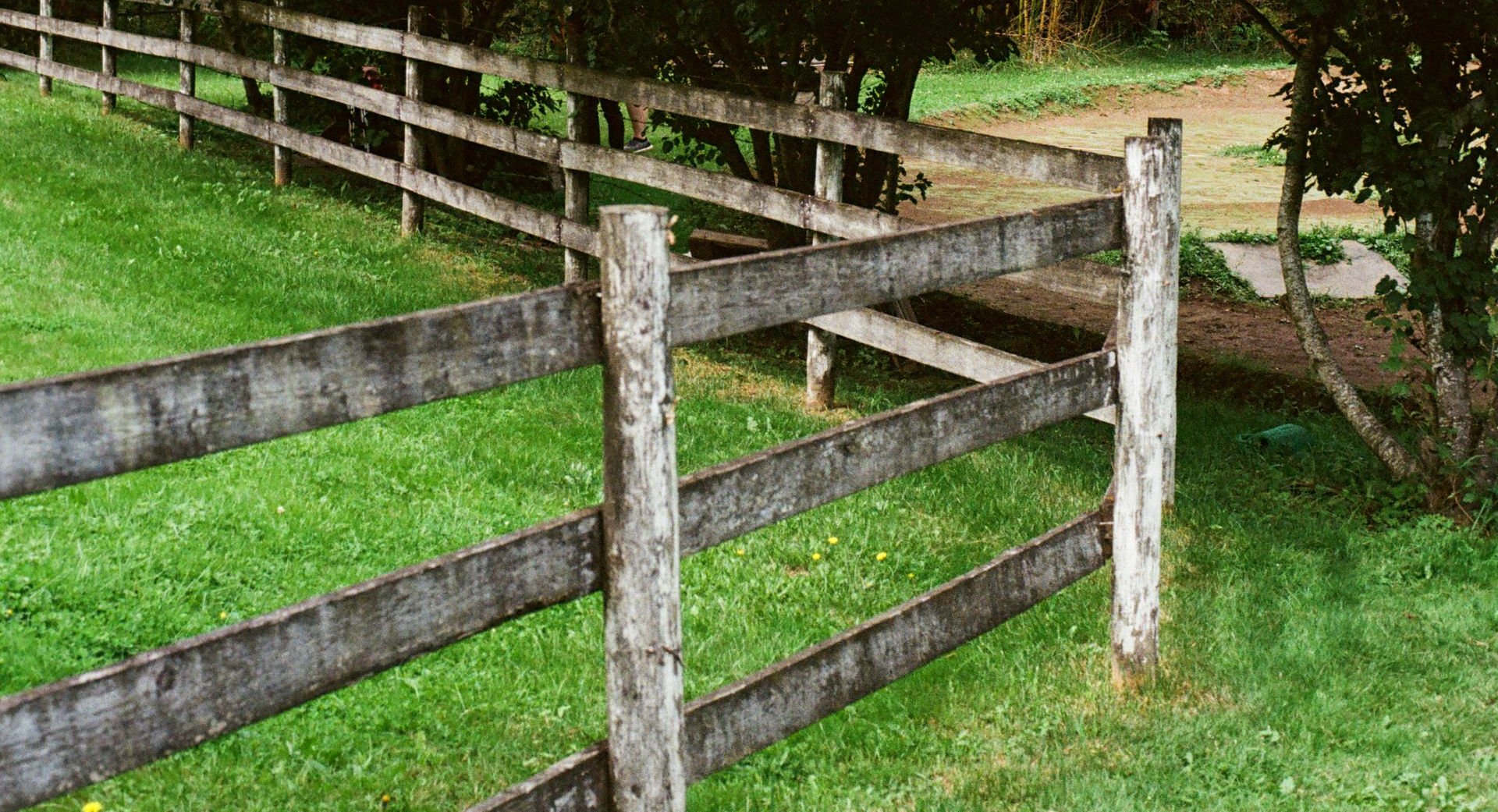
Salvaged lumber has a lot of character and a light footprint, since nothing new was cut for it. The tradeoff is consistency. Old boards can hide rot, cracks, or old fasteners, so have them checked before they go into a fence.
Recycled-Content Composite
Composite boards combine wood fibers with recycled plastic and resist moisture, insects, and fading. They usually cost more upfront and need careful installation, so they suit homeowners who want low upkeep and are willing to pay for it once.
Aluminum and Steel
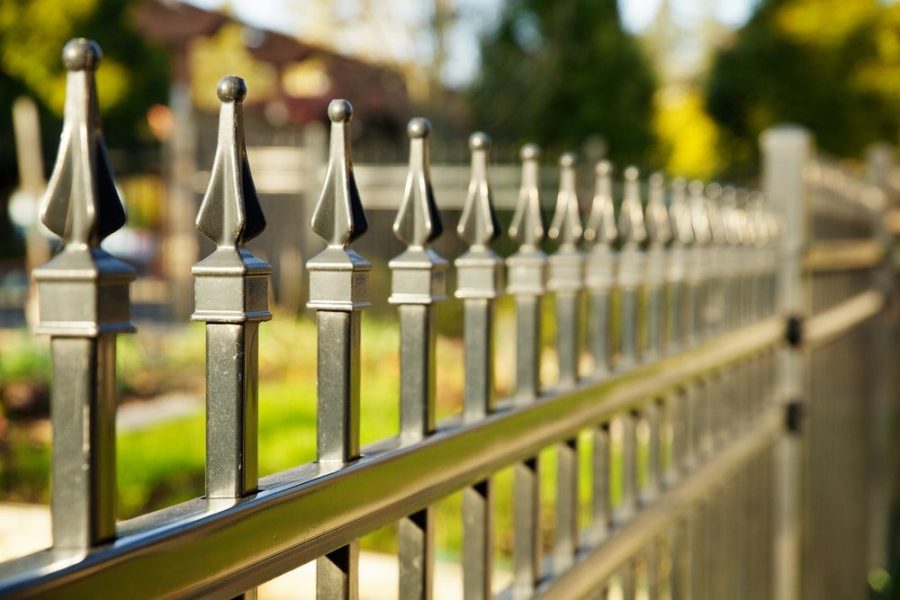
Metal starts as mined ore, yet it recycles well and can stand for a very long time with the right coating. A metal fence also skips the chemicals that wood sealers require. That makes it a strong pick if you want a fence you never have to replace.
Bamboo
Bamboo grows quickly and renews itself, which is why it shows up on green lists. In a wet Gulf Coast climate it needs care, since constant moisture can split or rot it. Treat it as an accent or garden screen before you treat it as a full property line.
How Sustainability and Budget Fit Together
A sustainable fence does not have to be an expensive one. The trick is to compare cost per year of life instead of price on the day of installation.
- Count upkeep. Sealer, stain, paint, and repairs add up. A material that needs less of them can cost less over ten years even if it costs more at the start.
- Count replacement. A cheap fence that fails early gets bought twice. A sturdier fence gets bought once.
- Fence only what you need. Enclosing just the backyard uses fewer materials and less money than wrapping the whole lot.
- Keep the design simple. Plain styles use less material and less labor than ornate ones.
- Reduce chemicals. Fewer coatings and treatments means less runoff and fewer repeat jobs.
The lowest quote can turn into the highest bill once you add repairs and an early replacement. Ask every contractor how long their fence should last and what upkeep it needs.
Louisiana Conditions That Change the Answer
New Orleans is hard on fences. Constant humidity, heavy rain, strong summer heat, and storm season all shorten the life of a fence that was chosen for looks alone.
- Humidity and rain. Wood needs a sealer that gets renewed, and metal needs a coating that stays intact.
- Termites and moisture pests. Any wood near the ground is exposed, so ask about treated posts and how they are set.
- Storm season. Solid, well-anchored posts matter more than the material on the front of the fence.
If you want to see more materials side by side, the fence types page lays them out.
Questions to Ask Before You Choose
- Where did this material come from? A supplier should be able to answer plainly.
- How long should it last in this climate? Ask for a realistic number, not a brochure claim.
- What does upkeep look like? Get the tasks and the timing in writing.
- Can it be repaired in sections? Repairing a panel beats replacing a whole run.
- What happens when it comes down? Recyclable and reusable materials keep the story short.
Where to Start as a New Homeowner
Walk your property and decide what the fence has to do: privacy, a safe spot for kids or pets, curb appeal, or all three. Then set a budget that includes upkeep and shortlist two or three materials that suit the space.
A local contractor can tell you how each option behaves in this weather and price the real differences. If you are ready to compare, our residential fencing team can review your yard and give you a free estimate.
Ready to Plan a Fence for Your New Home?
Tell us about your yard and your budget, and we will walk you through materials that fit both.