In This Guide
- Most of what decides an installation happens before any digging: checking local and HOA rules, confirming the property line, and calling 811.
- Choosing the style, height, and gate locations early makes the layout, the material order, and the crew schedule far smoother.
- On installation day, a crew marks the layout, sets posts, lets footings cure, attaches panels, hangs gates, and checks every section.
- Sloped yards, gates, and work near buried utilities are where hiring a professional pays off.
Installing an aluminum fence goes smoothly when the planning comes first. Most of what decides the result happens before a post ever touches the ground: checking local rules, locating buried utilities, choosing a style, and laying out the line.
This guide walks through the process at a high level so you know what to expect. Treat it as a planning tool that prepares you for the conversation with a crew. The technical steps belong to a professional fence company, and we point out where below.
Before Anything Gets Built
Three checks come first, and skipping any of them can cost real time and money later.
Check Local Rules and HOA Requirements
Cities and neighborhoods often set limits on fence height and where a fence can sit on the lot. Some homeowner associations add their own rules about style and color. Look these up before you choose anything, so you do not pay for a fence you have to change.
Confirm Where Your Property Line Runs
A fence belongs on your side of the line. If you are unsure where the boundary is, check your survey or plat before the layout is marked.
Call 811 Before Any Digging
Before a hole is dug, call 811, the national call-before-you-dig number, so utility companies can mark buried lines on your property. Allow time for the markings to be completed before work starts. This step protects people and prevents costly damage to gas, water, electric, and communication lines.
Never start digging until utility markings are in place. If you hire a crew, confirm that the call has been made and the marks are visible before the first post hole.
Choosing Style and Materials
Once the site rules are clear, picking the fence itself is the fun part. Most aluminum fencing comes with a powder-coated finish for weather protection, so the main choices are about design and function.
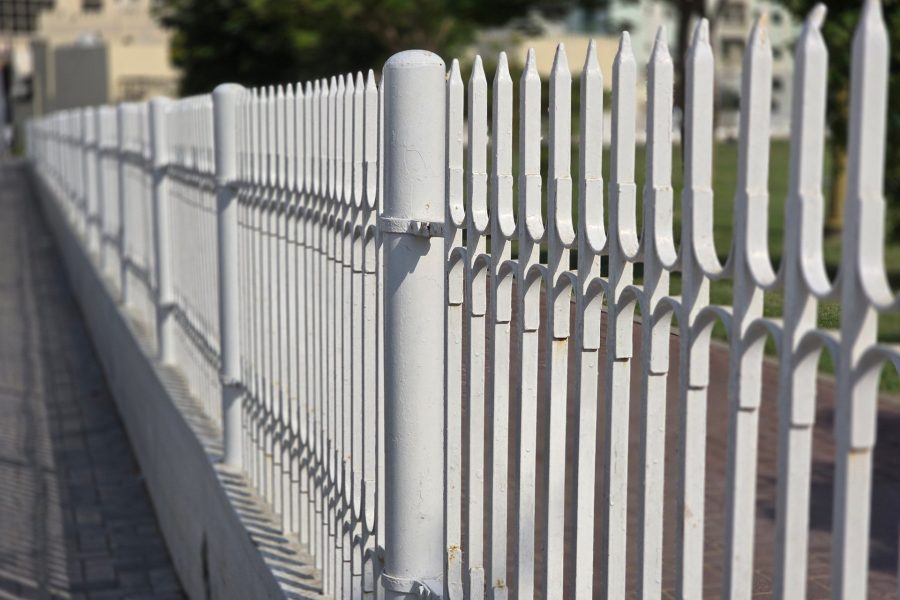
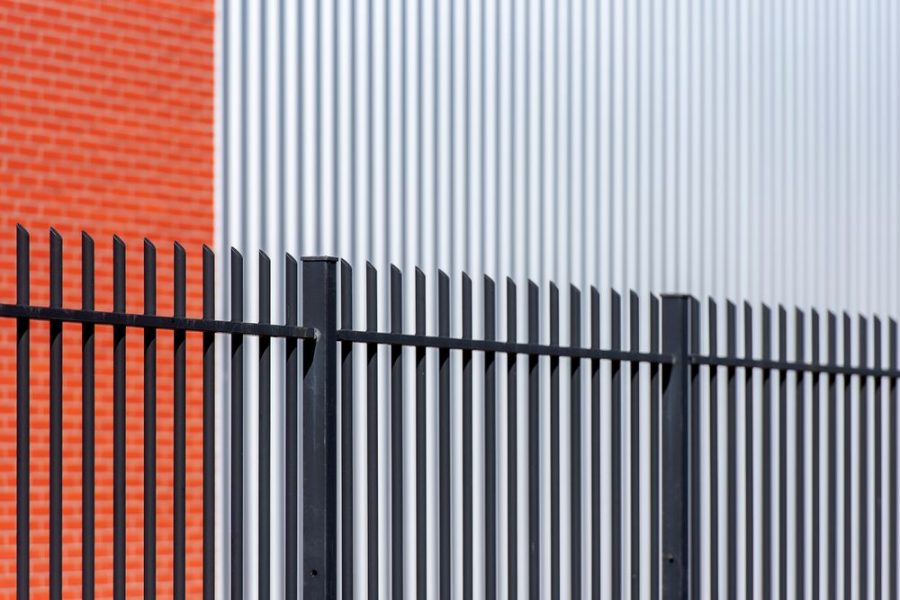
- Picket panels. A clean, classic look that keeps the yard visible and open.
- Ornamental designs. Scrolls, finials, and detailed patterns add elegance to entrances and front yards.
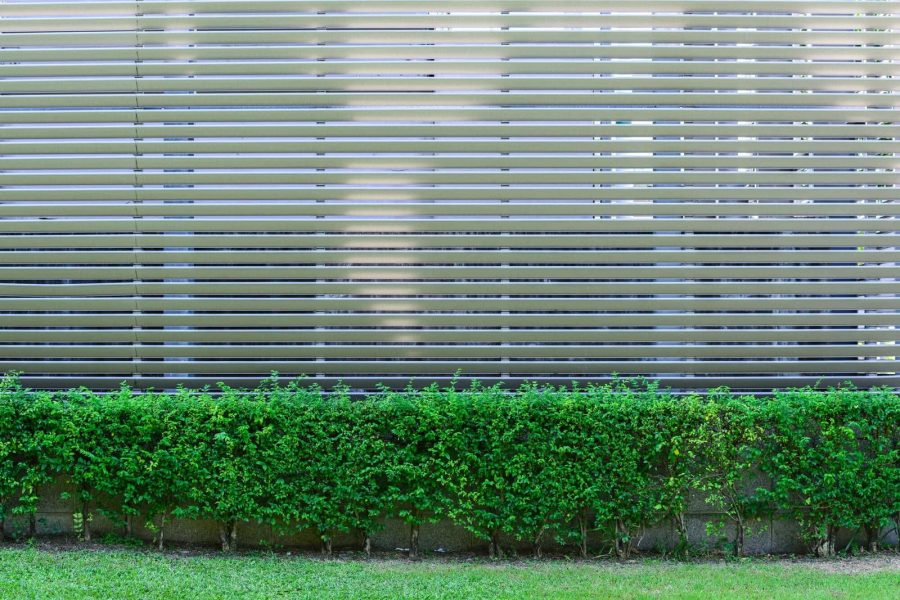
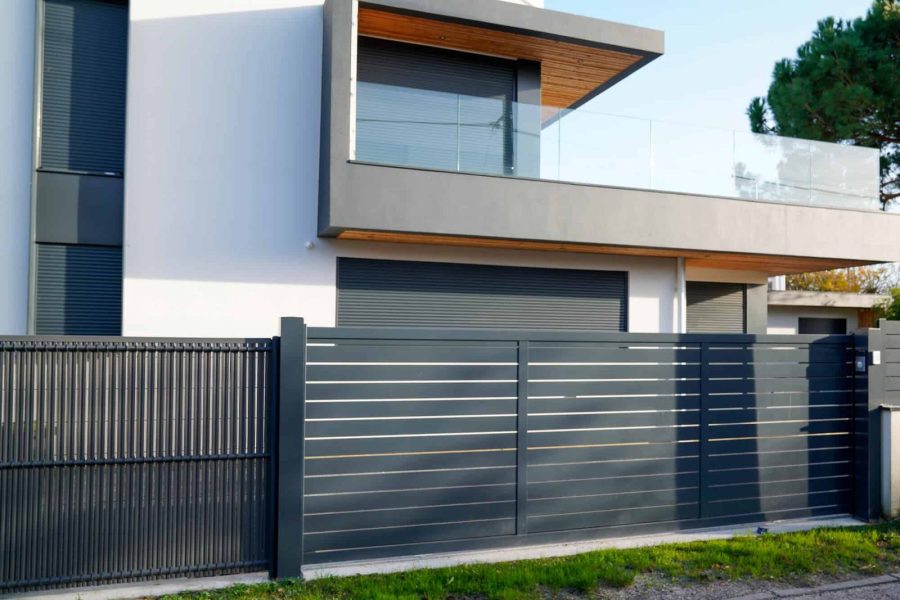
- Slat and privacy panels. These screen the yard when open pickets are not enough.
- Height and picket spacing. Pets, pools, and security needs all influence these choices.
- Gates. Decide how many you need, where they go, and how wide they should be.
Whatever you pick, make sure it meets any local or HOA rules you found in the first step.
Layout, Measuring, and Slopes
A good layout is the reason the finished fence looks straight and the panels fit.
Marking the Line
The layout fixes where each post will go, how many sections the fence needs, and how tall it will stand. Accurate measurements matter, and a good crew measures twice before anything is set. The post locations are then marked with stakes or paint so there is no confusion on installation day.
Planning the Gates
Gate openings are set early because they anchor the rest of the layout. Think about deliveries, mowers, and vehicles, and about which way each gate should swing.
Slopes and Uneven Ground
If your yard slopes, tell your installer during the estimate. Depending on the system, panels can step down the grade in sections or follow it, and that choice changes the post count and the look of the fence.
What a Crew Does on Installation Day
Every crew has its own routine, but the sequence is usually the same.
- Confirm the layout and utility marks. The crew checks the stakes against the plan and the 811 markings.
- Set the posts. Posts are placed, aligned, and set in footings, then given time to cure so they hold firm.
- Attach the panels. Panels are fastened to the posts with the hardware made for the system.
- Hang the gates. Hinges and latches are adjusted so gates swing freely and close cleanly.
- Walk the line. The crew checks every section, fastener, and gate, and makes adjustments before cleanup.
Louisiana rain can shift the schedule, since footings need dry enough conditions to be set and cured properly. A good crew watches the forecast and will tell you if a day needs to move.
Questions to Ask Before You Hire
A few questions up front prevent most surprises on installation day.
- Utility marks. Who calls 811, and how will you confirm the marks before digging?
- Approvals. Who handles any HOA or permit paperwork that applies to your property?
- Slopes and gates. How will the design deal with uneven ground and gate openings?
- The old fence. Is there a fence to remove, and who hauls away the debris?
- Timeline. What is the expected schedule, and how will weather delays be handled?
When to Call a Professional
Some homeowners like to manage part of a project themselves. These situations are where a professional crew is the safer route.
- Work near buried utilities. Mistakes here are dangerous and expensive.
- Gates. Alignment matters, and automatic gates involve electrical work that should always go to a qualified professional.
- Slopes and long runs. Keeping panels level and lines straight over uneven ground takes experience.
- HOA or permit approvals. A pro knows what reviewers usually expect to see.
Once the fence is in, the care routine in our guide to how long aluminum fences last keeps the finish in good shape. To start planning a project at your home, take a look at our residential fencing services and our metal fence options.
Ready to Plan Your Aluminum Fence?
Tell us about your property and we will talk through layout, styles, and what the installation process looks like from start to finish.