In This Guide
- Chain link is usually the cheapest fence to install, with treated pine wood next, and vinyl and aluminum costing more upfront.
- The cheapest fence to install is not always the cheapest to own, since upkeep, rust, and replacement change the long-run cost.
- Length, height, gates, slope, and the removal of an old fence often move the price more than the material does.
- Simple styles, standard heights, and only fencing the areas that need it are the safest ways to lower the bill.
Budget is often the first thing people ask about a new fence. The simple answer is chain link. The more useful answer looks at what each fence costs to install, what it costs to keep, and what you get for the money.
This guide from Big Easy Fence ranks the common fence types by upfront cost and then adds the upkeep that changes the picture. It focuses on rough relative pricing instead of exact dollars, since local material prices and yard conditions move the numbers. A written estimate for your property is the only way to get a real figure. For a sense of the choices, the fence types overview shows what each one looks like.
The Short Answer: Chain Link, With a Catch
Chain link almost always has the lowest installed price per foot. The material is simple, the panels go up quickly, and the fence needs little labor compared with most other options. It works well for open yards, pet containment, and large areas.
The catch is durability and looks. Chain link does not give privacy, and in our humid, salty air, the coating on the wire matters. Galvanized and vinyl-coated versions last much longer than bare steel, but any fence with a damaged coating can rust over time.
Ranking Fences by Upfront Cost
Here is how the common options tend to compare. Treat the labels as relative, not exact.
| Fence Type | Upfront Cost | Upkeep | Best For |
|---|---|---|---|
| Chain Link | Lowest | Low, with a check for rust on damaged coating | Open yards, pets, and large areas |
| Treated Pine Wood | Low to moderate | Sealing or staining every few years | Privacy on a budget |
| Cedar Wood | Moderate to higher | Optional finish, periodic cleaning | A natural look |
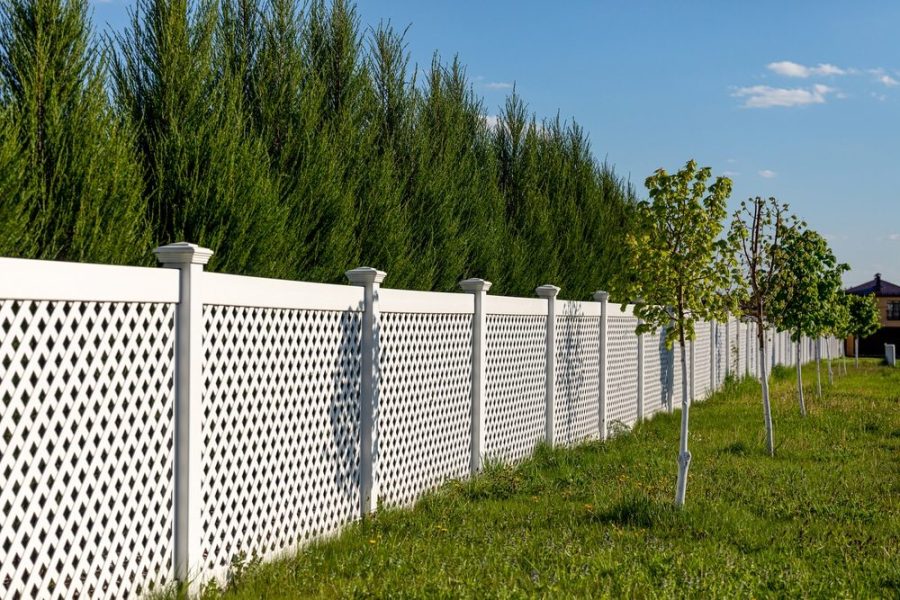
| Vinyl | Moderate to higher | Occasional washing | Low upkeep and a clean look |
| Aluminum | Moderate to higher | Occasional washing and a check for scratches | Rust-free decorative fencing |
Chain Link
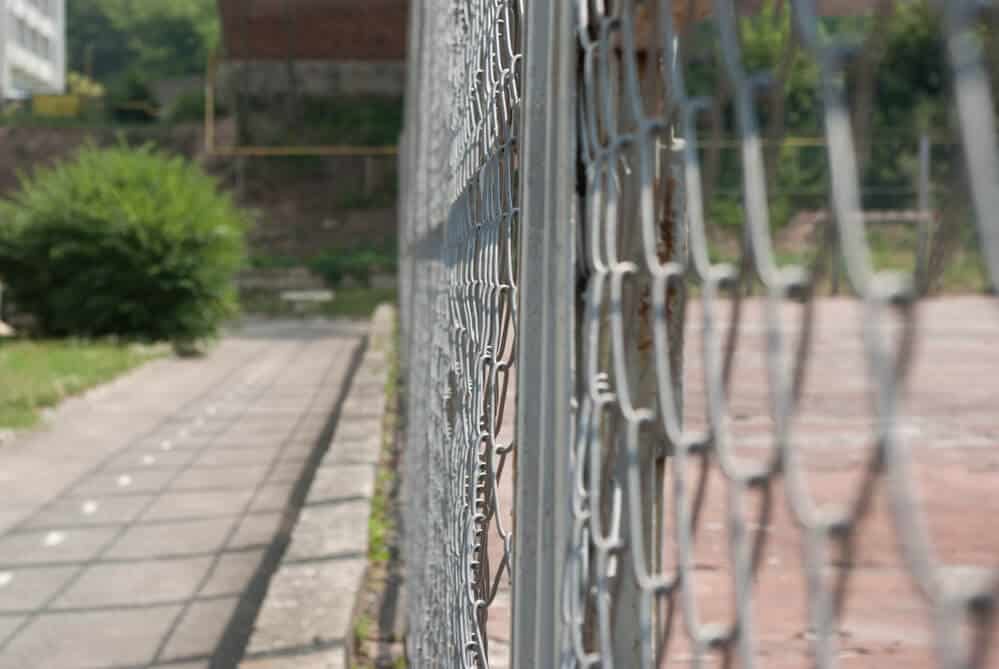
The lowest upfront cost of the group, and it is quick to install. Coated versions resist rust better and come in black or green for a less industrial look. A chain link fence is a practical pick when function comes first.
Treated Pine Wood
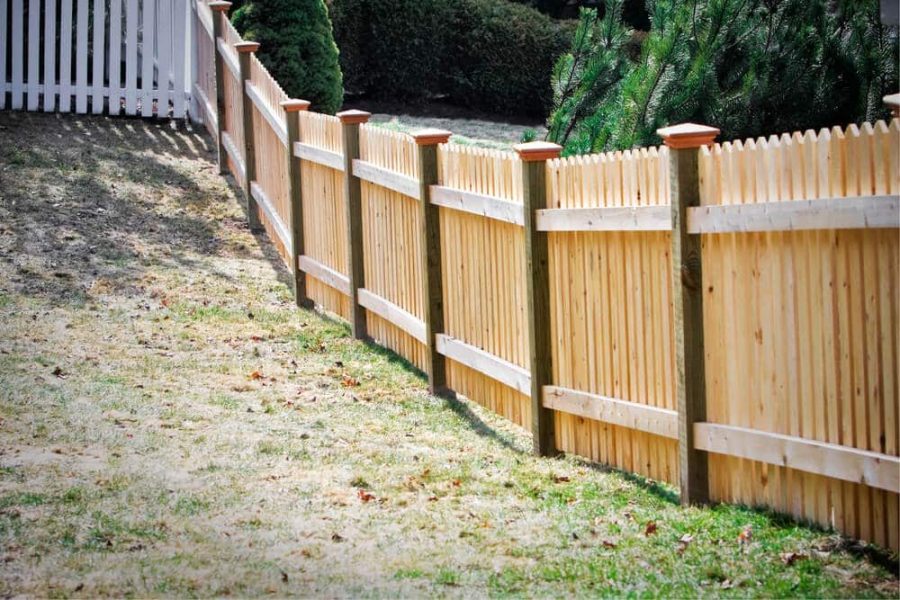
Treated pine is the least expensive way to get a private, solid fence. It costs more upfront than chain link, and it needs sealing to slow weathering. It is also more affordable than most vinyl or metal privacy options.
Vinyl
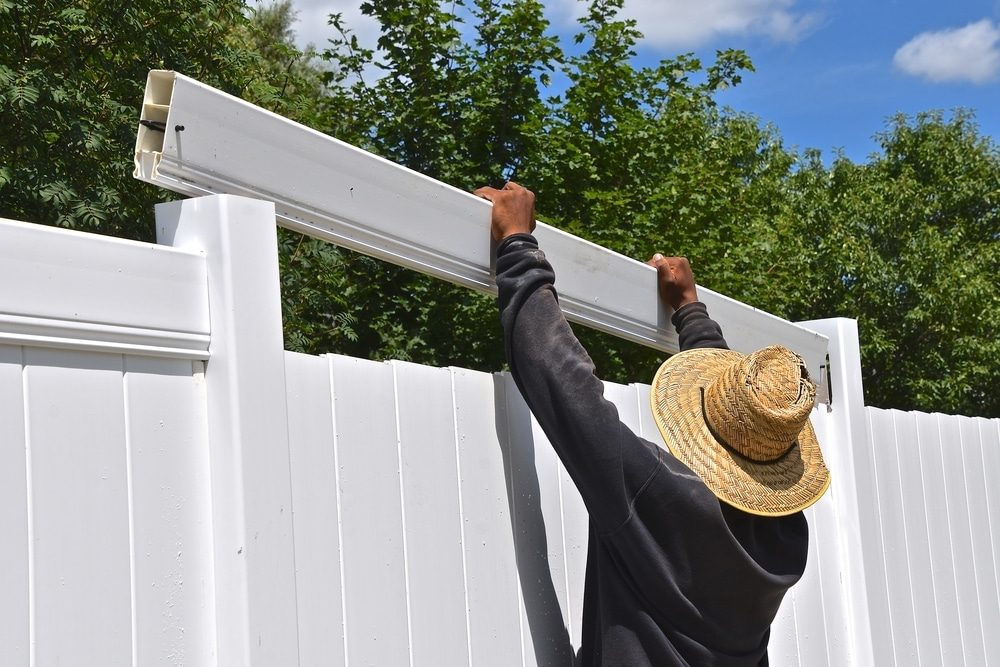
Vinyl costs more to install than wood or chain link, but it does not rot, need painting, or need sealing. If you plan to keep the fence for many years, the low upkeep can offset part of the price.
Aluminum
Aluminum will not rust, so it holds up in humid and salty air. It costs more than chain link and treated wood, and it gives an ornamental look instead of privacy. You can browse related options in our metal fences section.
Cheap Now vs Cheap Over Time
A low quote is the start of the story, not the end. Two fences can cost the same over ten years even when one costs far less on day one.
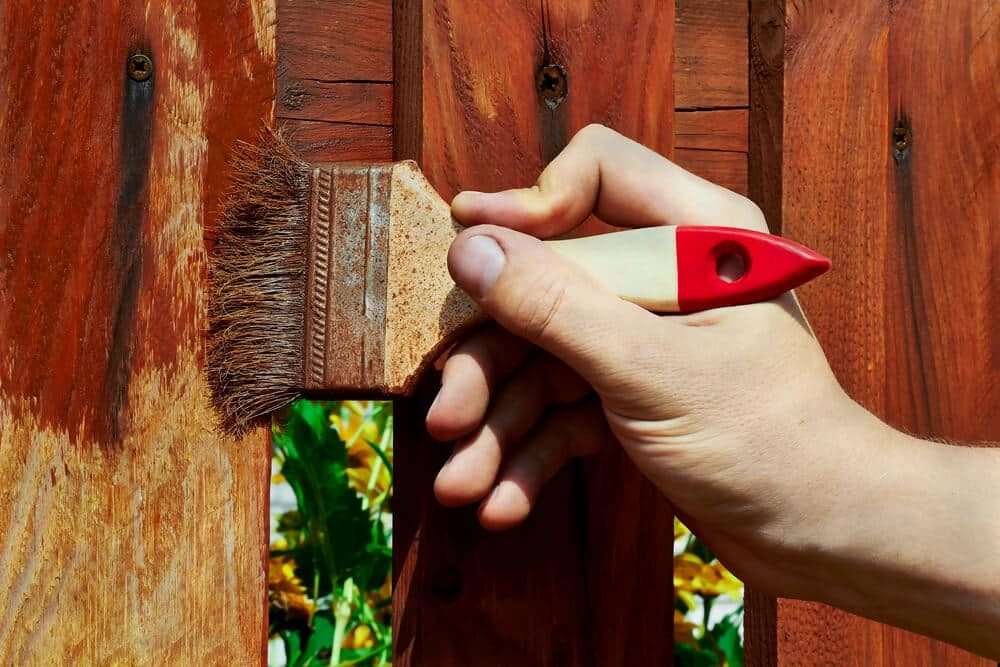
- Wood. Lower upfront, with recurring costs for stain or sealer, plus board and post repairs as it ages.
- Chain link. Lowest upfront, with occasional repairs and possible rust where the coating is damaged.
- Vinyl and aluminum. Higher upfront, with little maintenance and long lifespans that spread the cost out.
The question to ask is how many years you want out of the fence. A fence you will keep for fifteen years and a fence you will replace in five should not be priced the same way.
What Pushes a Fence Price Up or Down
The material is only one line of the estimate. These factors can move the total as much as the fence type does.
- Length and height. More feet and taller panels both mean more material and more labor.
- Gates. Each gate costs more than an equal length of fence, and wider gates cost more than narrow ones.
- Terrain. Slopes, tree roots, and wet or soft ground add time to installation.
- Old fence removal. Tearing out and hauling away a fence adds labor and disposal.
- Style and extras. Decorative tops, lattice, and custom colors add cost quickly.
Ways to Lower the Bill Without Cutting Quality
- Keep the style simple. Standard heights and plain tops cost less than custom designs.
- Fence only what you must. Skip areas that a fence would not really improve.
- Choose the right material for the job. Use chain link where privacy is not needed and wood where it is.
- Compare written quotes. Ask each contractor to list materials, gates, and removal so the numbers line up.
Our guide to affordable fencing options in New Orleans goes deeper on budget choices.
Picking the Right Fence for Your Budget
If cost is the only goal, chain link wins. If you need privacy, treated pine is the affordable route. If you want to spend once and forget it, vinyl or aluminum can be worth the higher price. A good installer can help you weigh those trade-offs for your yard, and you can start with a free estimate from our wood fence team.
Want Real Numbers on Your Fence Options?
Give us your yard size and what the fence needs to do, and we will price a few materials so you can compare them side by side.