In This Guide
- Decide what the cover has to do first, whether that is shelter for seating, a covered entrance, or space for your branding.
- Measure the site and read the building before choosing a style, because how the cover attaches drives the design.
- Compare estimates on scope, materials, and structure rather than on the bottom-line total alone.
- Settle permits, fire and rain ratings for fabric, and approvals from the property owner early, so nothing stalls the build.
Choosing a commercial patio cover feels like one big decision. It is really a chain of smaller ones, and each answer narrows the next. Work through them in order and the right cover usually becomes obvious.
This checklist follows the path a business owner takes, from the first sketch to signing the contract. The team at Big Easy Fence builds commercial patio covers in the New Orleans area, and the same handful of questions decides most of these projects.
Step One: Define the Job the Cover Must Do
A cover built for lunch service is different from one built for a storefront entrance. Write down the purpose before you look at a single product.
Shelter for Seating
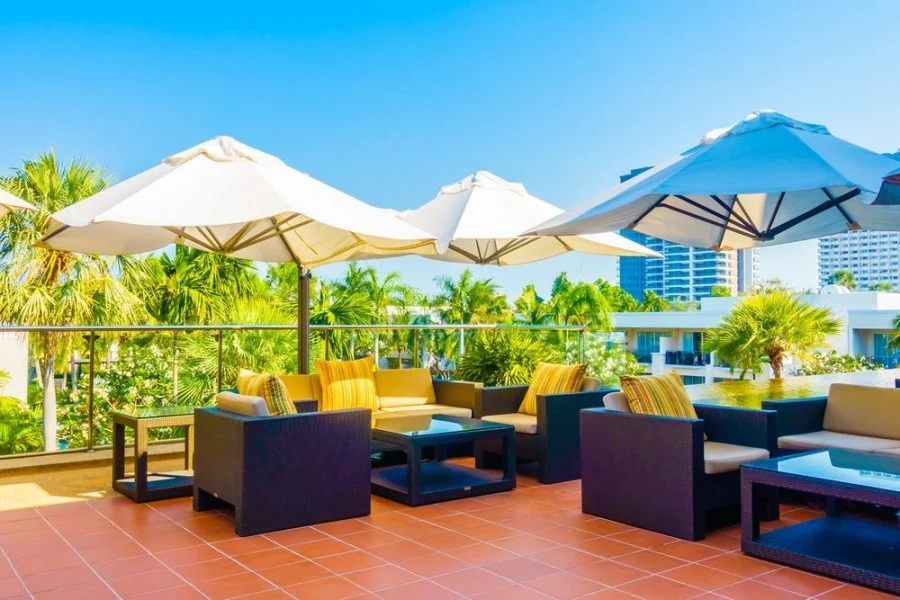
If customers eat, wait, or relax under it, you need real rain protection and enough shade to make midday seating pleasant. A solid roof is the safest answer for New Orleans downpours. Fabric can work, but some fabrics are not fully waterproof, so ask.
Protection for Walkways and Entrances
Covers over a doorway or walkway keep guests dry between the parking lot and the door. Clearance and drainage matter here, because water should run away from the entrance and not onto the path.
Space for Branding
An awning can carry your business name or logo. If signage is part of the job, decide that now, since it affects the fabric, the color, and the frame that holds it up.
Step Two: Measure the Site and Read the Building
The site tells you what is possible. Measure the patio, note the height of the wall or roofline the cover might attach to, and look at where water currently drains. A cover that ties into the building needs solid framing to attach to. A freestanding cover needs proper footings and space around them.
- Size and shape. A square or rectangular patio suits a simple frame. An irregular space may call for a custom layout.
- Attachment point. Note whether the cover will attach to brick, stucco, wood framing, or stand alone on posts.
- Upper floors. A second-story patio or balcony changes the loads and the installation method, so mention it up front.
- Utilities and fixtures. Lights, fans, and heaters need power, and hidden lines and drains need to be located before anyone digs.
Step Three: Choose a Material and a Roof Style
Aluminum, steel, wood, vinyl, and fabric all have a place, and rain, humidity, and heat shape which one lasts. Our comparison in choosing the right material for a commercial patio cover goes through the trade-offs in detail. For now, match the material to your upkeep tolerance and your storm plan.
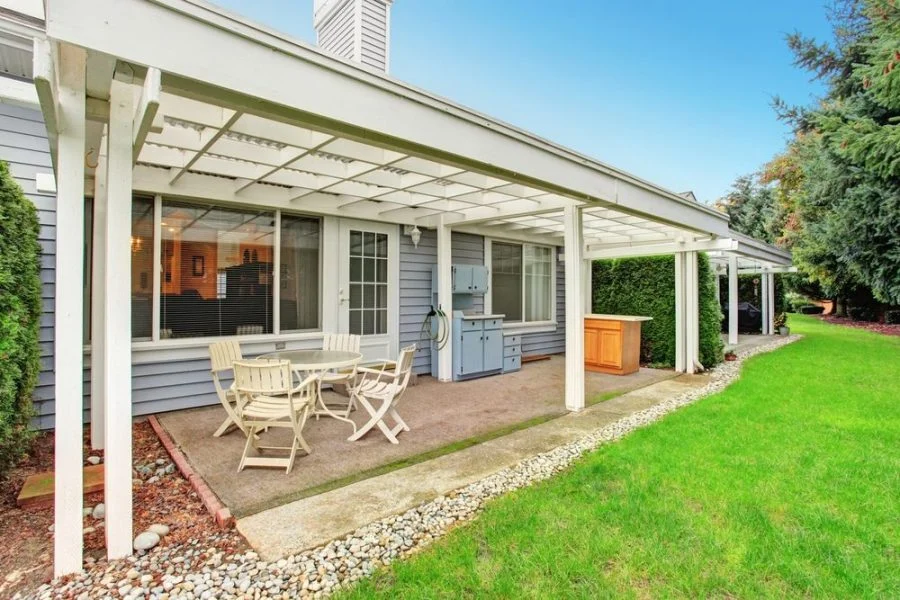
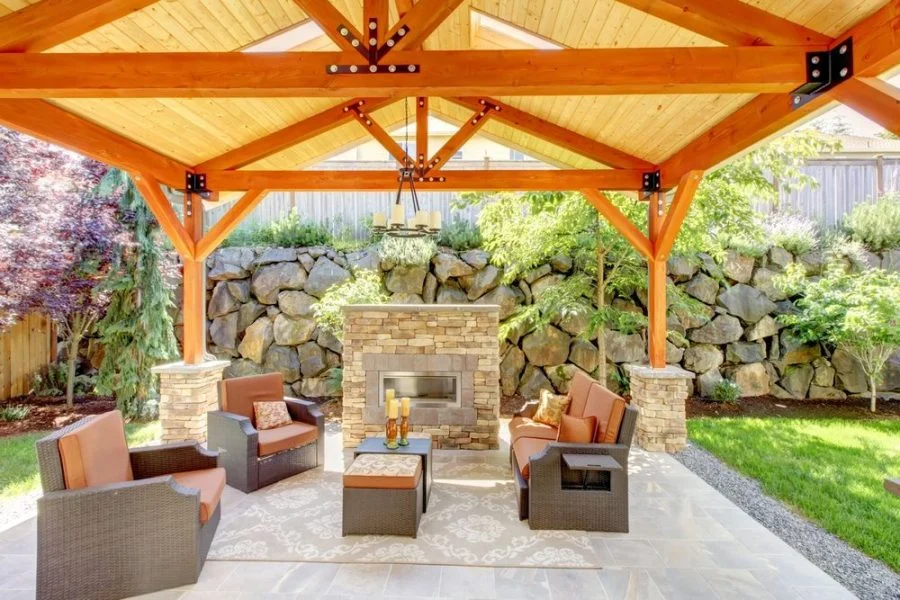
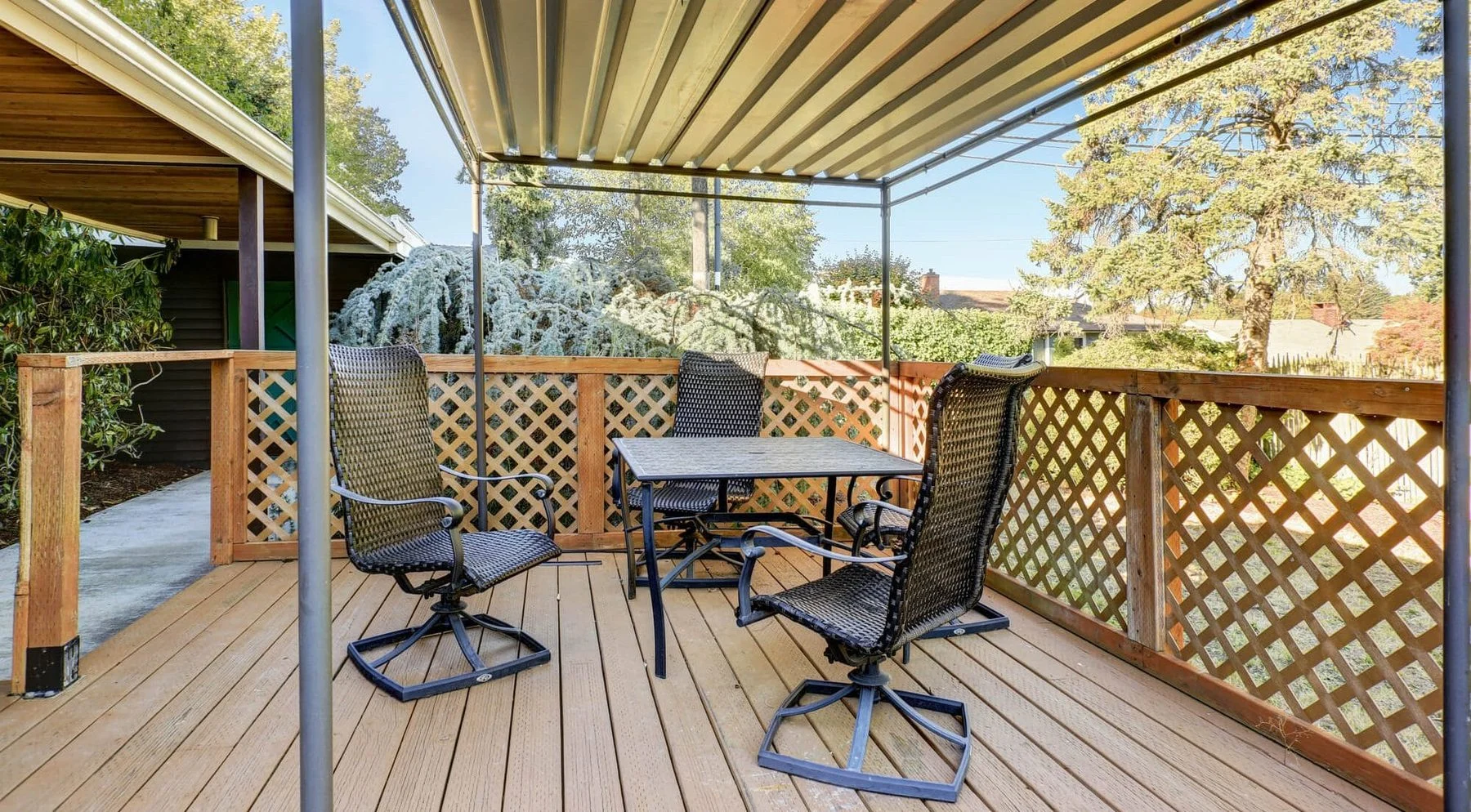
Then consider the roof itself. Solid panels give full rain cover. Open slats give dappled shade and a lighter look. Retractable and louvered systems let you adjust. Browsing finished work in the gallery is a fast way to see which style fits your building.
Step Four: Vet Contractors Like a Buyer
Two contractors can quote the same cover and deliver very different results. Treat the search like a hiring decision.
- Relevant experience. Ask for commercial projects similar to yours in size, use, and building type.
- Proof of license and insurance. Ask for both, and check them.
- References and photos. A contractor who has done the work is glad to show it.
- Design help. A good contractor raises issues you did not think of, such as drainage, clearance, and how the cover meets the building.
Step Five: Compare Estimates Line by Line
The cheapest number is rarely the best deal. Different quotes often cover different things, so line them up against each other before you compare totals.
- Scope. What exactly is included, from demolition and footings to finishing and cleanup?
- Materials. Which material, which gauge or thickness, and which finish?
- Structure. How is the cover anchored, and what wind and rain conditions is it designed for?
- Permits. Who pulls them, and is that cost in the quote?
- Schedule. When does work start, how long will it take, and how will your customers reach your door during it?
If two estimates differ by a lot, ask each contractor to walk you through the difference. The gap is usually in materials, structure, or what was left out.
Step Six: Sort Out Permits and Approvals Early
Requirements depend on your location, the size of the structure, and how it attaches to the building. Confirm what the city requires with your contractor and the local permit office, and get written approval from the property owner if you lease. If you plan to use fabric, ask what fire rating it carries and whether your local fire office has any rules for coverings over seating.
Handling these items before the contract is signed keeps the project on schedule. A stop-work order in the middle of your busy season is expensive and avoidable.
Before You Sign
Read the contract for the scope, the materials, the schedule, and the payment terms, and make sure it matches what you discussed. If anything is unclear, ask now. Once the answers are in writing, you are ready to build, and a free estimate from Big Easy Fence can start that process.
Ready to Compare Your Options?
Send us your measurements and a few photos of the patio. We will help you narrow the choices to what fits your business.