In This Guide
- A fence has no guaranteed effect on what a home sells for. Buyers react to condition, style, and how well the fence fits the property.
- A well-kept metal fence that matches the house and the street tends to be read as a plus. A neglected or mismatched one can work against you.
- Material, finish, installation quality, and function all shape a buyer's impression, and so do local rules and your neighbors' fences.
- A local real estate agent can tell you what buyers in your neighborhood expect, which is more reliable than any general claim.
Homeowners often ask whether a metal fence will pay for itself when the house sells. Nobody can promise that, and any page that gives you a neat number is guessing. What we can explain is which factors change how buyers see a fence, so you can build one that helps rather than hurts.
Whether the goal is enjoying the yard now or selling later, the same handful of questions apply, and Big Easy Fence can help you work through them. The answers depend on the house, the street, and the buyer, and they are worth working through before you choose a metal fence.
What a Fence Can and Cannot Promise
A fence is a home improvement, not an investment product. Its value to a future buyer depends on things you cannot fully control: the local market, what other homes on the block have, and the buyer's own taste. Some buyers see a fence as a feature they would have paid for anyway. Others see it as something they would have designed differently.
What you can control is whether the fence looks like a good decision. Buyers notice fences that are straight, clean, and clearly cared for. They also notice the opposite, and a fence in poor shape can be read as a repair waiting to happen.
Be cautious of any claim that a fence adds a set amount to a sale price. The effect varies by neighborhood, home, and buyer. Build the fence you will enjoy, and treat any resale benefit as a bonus.
Factors That Shape How Buyers See a Fence
Condition and Upkeep
This is the biggest one. Peeling paint, rust streaks, leaning sections, and gates that drag all say the same thing to a buyer: deferred maintenance. A fence with a sound finish and gates that latch cleanly says the opposite. In a humid climate the finish does most of the work, so keep it in good shape.
Fit With the House and Street
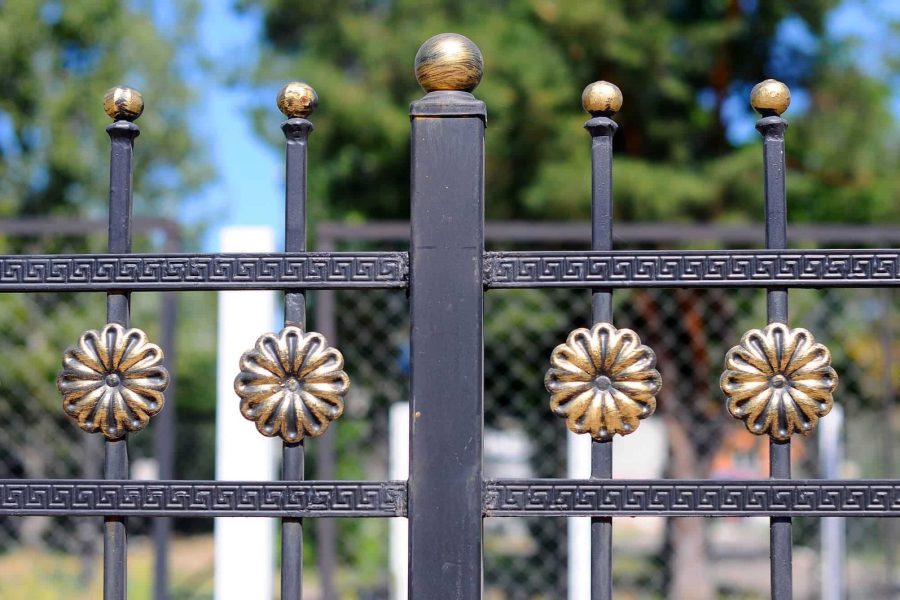
A fence should look like it belongs. Clean lines suit a modern house, and ornamental details suit a traditional one. Look at the fences around you, too. A style that matches the general look of the street is usually easier for a buyer to accept than one that stands out for the wrong reasons.
Material and Finish
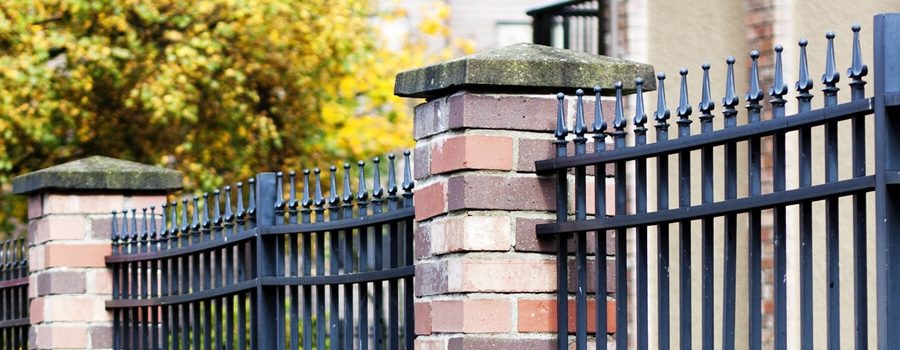
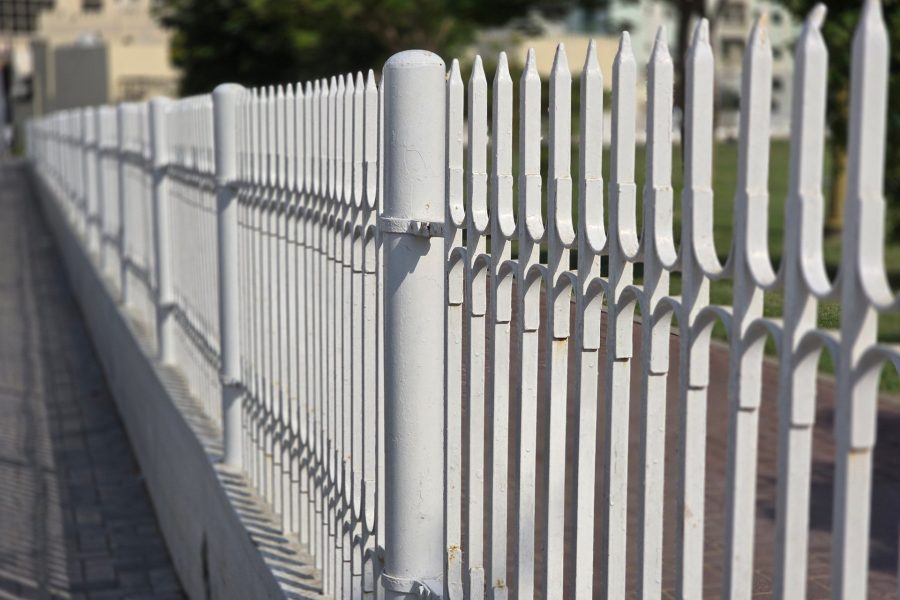
Buyers may read materials differently. Aluminum does not rust, and its coating keeps it looking tidy with light cleaning. Iron and steel have a classic look but need their finish kept up, because they rust when the coating fails. Chain link is practical and lower in cost, and many buyers see it as functional rather than decorative.
| Material | How Buyers Tend to See It | What Keeps It Looking Good |
|---|---|---|
| Aluminum | Clean, modern, and low-fuss | Light washing and touch-ups on chipped coating |
| Wrought Iron Style | Classic and ornamental | Repainting and rust treatment as the finish wears |
| Steel | Strong and secure | An intact galvanized or powder-coated finish |
| Chain Link | Practical and functional | Straight posts and tight mesh |
Function and Safety
A fence that solves a real problem appeals to the people with that problem. Families with young children, dog owners, and homes with a pool often want a secure boundary. A metal fence with a self-closing, latching gate can meet that need while keeping the view open.
Installation Quality
Straight lines, evenly spaced posts, panels that follow the slope of the ground, and gates that swing without effort are all visible to a buyer. Sloppy work is hard to hide and easy to spot, and it can turn a good material into a bad first impression.
What Can Work Against You
A few common problems can turn a fence into a negative.
- Poor upkeep. Rust, chipped finish, and bent pickets suggest the owner stopped paying attention.
- A style that clashes. A very ornate fence on a plain house, or an unusual color on a quiet street, can put buyers off.
- Blocked views or light. A tall, solid fence can close in a yard and cut the sightlines a buyer liked when they first visited.
- Rule problems. A fence built without the right permit, or outside HOA limits, can cause trouble during a sale.
- Overbuilding for the block. A fence far more elaborate than anything nearby may not be appreciated by buyers who would have been happy with something simpler.
Steps to Take Before You Build
If resale is on your mind, a little homework goes a long way.
- Talk to a local real estate agent. They know what buyers in your neighborhood look for and how fences on nearby homes are received.
- Check the rules. Ask your city or parish and your HOA about permits, height, materials, and color before you commit.
- Confirm the property line. A recent property survey prevents disputes with neighbors.
- Pick a material that matches your willingness to maintain it. A finish you will keep up is better than a fancier one you will not.
- Keep your records. Save the permit, the installer's details, and any care instructions so a buyer can see the fence was done properly.
Build It for the Years You Live There
Most homeowners spend far more time with the fence than a buyer ever will. If it makes the yard safer, more private, or more pleasant, it is doing its job whether or not it shows up in a sale price. Our guide on whether an aluminum fence adds value looks at one popular metal in more detail, and our residential fencing page explains how a project moves from first visit to finished fence.
Planning a Metal Fence?
Tell us about your home and your neighborhood, and we will walk you through material, style, and finish options that make sense for your property.