In This Guide
- Fence rules in the New Orleans area depend on your address, so there is no single answer for every lot.
- Permits and height limits can differ between the city, the surrounding parishes, and your neighborhood.
- Your own deed, HOA, or historic district can add rules on top of the city’s.
- Confirm everything with the City of New Orleans permitting office or your parish before you build.
Do you need a permit to put up a fence in New Orleans? Sometimes, and it depends on where your property sits and what you plan to build.
Height limits work the same way. They can change with the location of the fence on your lot, the kind of structure, and the neighborhood.
This guide from Big Easy Fence, a New Orleans fence company, covers the general picture so you know which questions to ask. It is not legal advice, and it does not replace a call to your local permitting office.
Why Fence Rules Differ From One Address to the Next
Fence rules in Greater New Orleans come from several places at once. A homeowner in Orleans Parish deals with different offices than a homeowner across the lake. The communities we serve across Greater New Orleans each sit under their own parish or city government, and each one can set its own fence requirements.
That is why a neighbor’s advice can lead you wrong. A fence that went up without any trouble on one street may have needed paperwork on another. Treat every address as its own question.
The City or Parish Sets the Baseline
Your local government usually decides whether a fence needs a permit, how tall it can be, and where it can sit relative to the property line. These rules can also change over time, so something you read in an old forum post may be out of date.
Your Neighborhood Can Add Rules
Some neighborhoods have extra layers. Homeowners associations in newer subdivisions often set their own limits on materials, colors, and height.
Older neighborhoods can have separate design review. Your deed and your HOA documents are worth reading before you pick a style.
Your Lot Shapes the Answer
Corner lots, lots that face a street on two sides, and lots next to a drainage canal or a utility easement often get different treatment than a standard interior lot. If your property has any of those features, mention them when you call.
What Permit Rules Usually Look Like
Permit rules vary, but the questions you will face tend to be similar. Knowing them ahead of time makes the phone call with the permitting office much shorter.
Whether a Permit Is Needed at All
Some fences need a permit and some do not, depending on the height, the material, and the location. Replacing an existing fence can be treated differently than building a new one. Ask directly about your project instead of assuming.
What the Office May Ask For
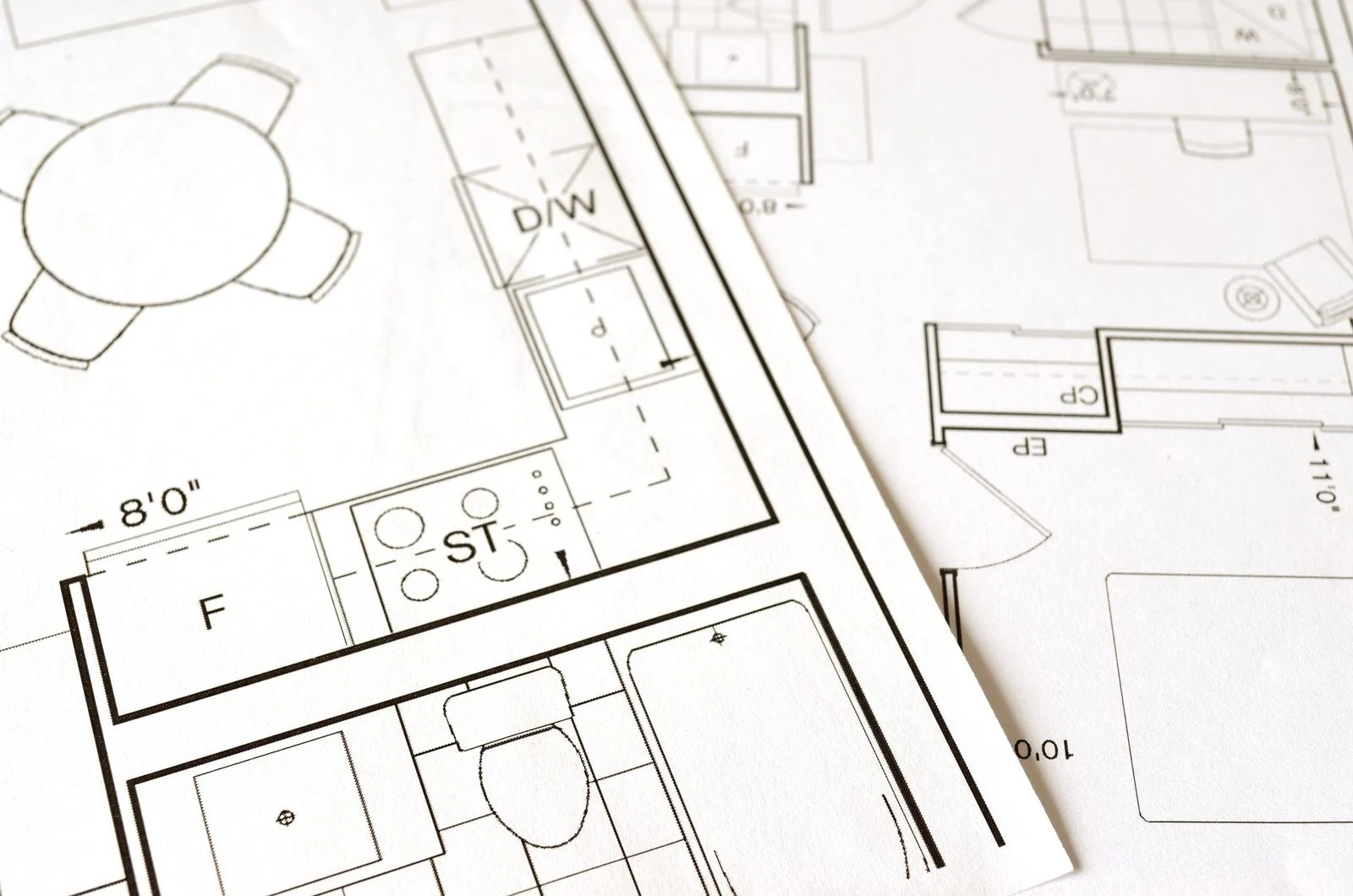
Permitting offices commonly want to see where the fence will go. That can mean a sketch or a survey of your lot, the planned height, and the materials. Having this ready saves a second trip.
How Long Approval Can Take
Approval times vary by office and by season. After a major storm, many homeowners apply at once, and the queue can slow down.
If you are planning a build, start the permit question early. Do not assume a fence can go up the same week you decide on it.
How Height Limits Usually Work
Height rules are usually written around where the fence sits. Fences along the front of a lot are often held to a lower limit than fences along the back or the sides. The reasoning is mostly about visibility and safety at driveways and corners.

Front Yard and Corner Lot Fences
Front-facing fences tend to face tighter limits, and corner lots often add rules about keeping sight lines clear for drivers. If you want a tall privacy fence along a street-facing side, check this first. It is the spot where plans most often have to change.
Side and Back Yard Fences
Side and rear fences generally have more room, but there is still a ceiling. Privacy fence styles that look right on a narrow New Orleans lot may run into that ceiling, so confirm the allowed height before you order materials.
Gates, Posts, and Decorative Tops
Ask whether the limit counts the posts, caps, or decorative tops along with the fence panels. A fence that meets the limit on paper can still be over once everything is added. A written answer from the office beats a verbal guess.
Special Cases Worth Checking
A few situations come up often enough that they deserve their own check.
Pool Barriers
A fence that doubles as a pool barrier can face its own requirements. This varies by parish and by city. Confirm the details with your local permitting office, and do not rely on a general article, including this one.
Historic Districts
Some neighborhoods in New Orleans have separate design review for exterior changes, which can reach fence height and material. If your home is in or near a historic area, start with that review body before anything else.
Shared Property Lines
When a fence runs along a line you share with a neighbor, the question of where the line actually is matters as much as the fence rules. Our guide on how to build a good neighbor fence covers the neighborly side of that conversation. For the exact line, a licensed surveyor is the right person to ask.
A Simple Checklist Before You Build
Run through these five steps before you sign anything or order materials.
- Look up your exact address with the City of New Orleans permitting office, or with your parish if you are outside the city.
- Ask whether your project needs a permit and what the height limit is for each side of your lot.
- Read your deed and any HOA documents for added rules.
- If you live in a historic area, check with the design review body for that district.
- Get answers in writing when you can, and keep them with your project records.
Plan Your Fence With the Rules in Hand
Once you know what your address allows, the rest of the planning gets easier. A written estimate from a fence company is more useful when it reflects the height and material your location permits. Our guide to how fence estimates work explains what to expect from that step.
If you are ready to talk through a project, call Big Easy Fence at 504-384-8207 or request a written estimate. Bring what you have learned from your permitting office, and we will work from there.
Common Questions
Do I Need a Permit to Replace an Existing Fence in New Orleans?
How Tall Can a Fence Be in New Orleans?
Who Should I Call to Confirm Fence Rules?
Can an HOA Be Stricter Than the City?
What Happens If I Build a Fence Without the Right Permit?
Have a Question About Your Project?
Tell us what you are working with, and we will talk it through with you.