In This Guide
- Rot is a fungal problem that starts when wood stays damp, and warm, humid weather speeds it up.
- Wet rot and dry rot show different signs, from soft, dark spots and warping to crumbling wood and deep cracks.
- The right wood, properly set posts, a sealer every two to three years, and quick repairs do the most to prevent rot.
- Keep plants, sprinklers, and anything that holds water away from the fence, and check it often.
Wood fences are classic for a reason. They look good, they give privacy, and they keep a property secure. They also have one big enemy, and in south Louisiana it is never far away: moisture. When wood stays wet, rot follows.
Knowing how rot starts makes it much easier to stop. This guide from Big Easy Fence explains how wood decays, how to recognize the signs, and what you can do to protect a wood fence for the long run.
How Wood Rots
Rot is a fungal problem. It begins when wood is exposed to wet or damp conditions. Water breaks down parts of the wood, which makes it more porous, and softer wood invites more fungi and insects such as termites. Later, woodlice and other pests move in.
How fast rot spreads depends on dampness and warmth. The warmer and damper the wood, the faster it decays, and that is why our humid climate is hard on fences. Wood rot usually shows up in one of two forms.
Wet Rot
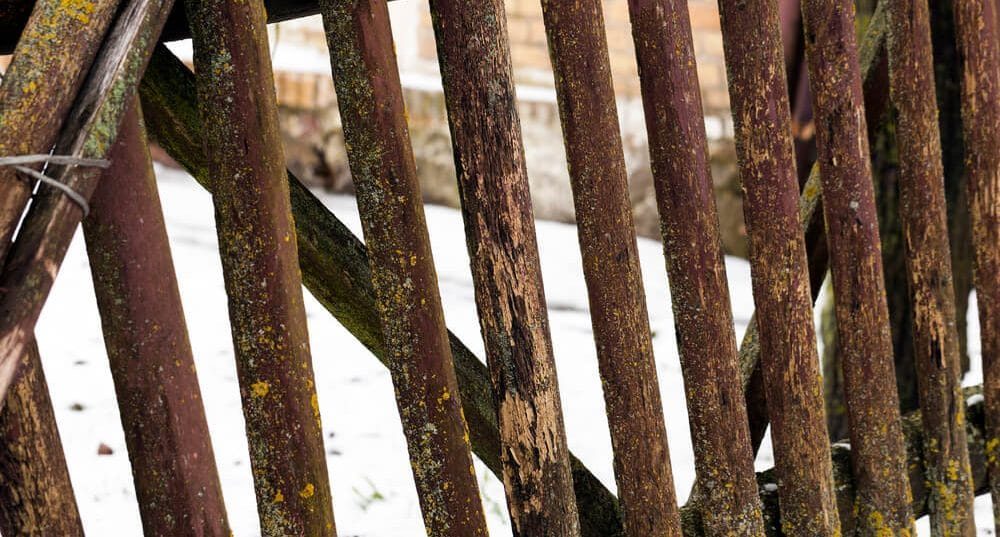
Wet rot forms when wood holds too much moisture, and it tends to start on parts close to the ground, though it can show up anywhere. Watch for these signs:
- Warping. Panels, slats, or posts start to bend or twist.
- Flaking paint. Painted surfaces chip or peel.
- Soft spots. The wood feels soft or spongy when you press it.
- Dark patches. Some areas are darker than the wood around them.
- A musty smell. A damp odor comes off the wood.
- Fungus growth. Mold or fungus is visible on the surface.
Be careful with painted fences. Paint can look fine while the wood underneath has gone soft.
Dry Rot
The name is misleading, because dry rot still needs some moisture in the wood to get started. It is easy to confuse with termite or carpenter ant damage, so look closely for these signs:
- Mushroom-like growth. Fungi appear on the wood.
- Deep cracks. Cracks form along the grain.
- Crumbling. The wood breaks apart when you touch it.
- Brown, brittle wood. The color is dark brown, often with a musty smell.
Start With the Right Wood
Not all wood resists rot equally, and different woods call for different care. Choosing well at the start pays off for years.
| Wood | Rot Resistance | Good to Know |
|---|---|---|
| Spruce | Modest | Affordable and often used for picket and stockade fences |
| Pine and Fir | Good when treated | Usually sold pressure-treated to fight rot and insects |
| Cedar | Naturally high | Ages to gray unless treated or stained |
| Cypress | Naturally high | A familiar Gulf South choice with a long lifespan |
| Redwood | Naturally high | High-grade boards resist rot and insects but cost more |
Buying better wood costs more at the start and often saves money later. Our guide to purchasing a quality wood fence goes through the wood choices in more detail.
Habits That Keep Rot Away
Even the best wood rots if it stays wet. These habits reduce the moisture your fence has to deal with.
Set Posts Properly
Posts in direct contact with soil tend to rot first, since soil holds water against the wood. Ask your installer how the posts will be set. Posts set in concrete, with the top of the concrete sloped so water runs away from the post, are far less likely to sit in a puddle of moisture.
Keep Plants and Sprinklers Back
It is tempting to plant right up against a fence, and plants pass moisture to the wood where they touch it. Look at the boards where a shrub or vine rubs against them and you will often see damp, darkened areas. Aim sprinklers away from the fence for the same reason.
Stain or Seal on a Schedule
A stain or sealer protects wood from moisture. Plan to reapply it about every two to three years, and sooner if water no longer beads on the surface, since the right timing depends on the climate and how exposed the fence is.
Watch What Touches the Fence
Decorating around a fence is fine, but check that nothing you hang or lean on it holds water against the wood. Planters, buckets, and wet cushions can all cause damp spots. Also pay attention to the weight you put on it.
Inspect Often
It is hard to know exactly when rot begins, so regular checks are the best defense. Walk the fence line after heavy rain, look near the ground and around the posts, and press any dark spots to see if they are soft. Catching a problem early lets you repair it before it spreads.
Repair Small Damage Fast
Do not put off repairs, even for a small crack or dent. Any hole or crack lets water into the wood, and peeling paint should be redone as soon as possible. Small repairs cost far less than tearing out a fence and starting over.
What to Do When Rot Has Already Started
If you find a soft or crumbling board, replace that board and look at the wood around it. Rot in a single picket is a simple fix. Rot at the base of a post is more serious, since posts hold the whole fence up, and a leaning or loose post usually needs professional attention.
For damage that goes beyond a few boards, the fence repair team at Big Easy Fence can look at what you have and tell you whether a repair or a replacement makes more sense.
Do Not Let Rot Ruin Your Fence
Good materials and careful installation are the foundation of a fence that resists rot. Choose quality wood, have it installed by an experienced fence contractor, and keep up a simple routine of inspecting, sealing, and repairing. You can compare wood with other materials on the fence types page, and if you would like help with a repair or a new fence, get in touch with Big Easy Fence for a free estimate.
Is Rot Creeping Into Your Fence?
Send us a few photos or tell us what you are seeing. We can help you decide between a repair and a replacement.