In This Guide
- Wood offers a lower up-front cost, a classic look, plenty of style choices, and solid privacy for most yards.
- A wood fence can last a decade or more, and often 15 to 20 years, when the wood is well chosen and kept up.
- Louisiana humidity, heavy rain, and termites make the species, the finish, and the upkeep routine especially important.
- Weigh the trade-offs honestly: wood asks for regular sealing, and homeowners association rules can limit height and style.
A fence is the first thing anyone sees when they look at your property. It frames the yard, shapes the first impression, and does real work marking your boundary. With so many materials on the market, the choice can feel like a lot to sort out.
Aluminum, iron, vinyl, chain link, and concrete all have their place. Still, homeowners keep returning to wood, and the team at Big Easy Fence understands why. Here are six reasons a wood fence may be the right fit for your home.
Six Reasons Wood Still Wins
None of these reasons applies to every yard, but together they explain why wood has stayed popular for generations.
A Cost That Fits Many Budgets
Price is one of the biggest factors in any fence decision, alongside design. Vinyl and iron tend to cost more up front, and wire tends to cost less. Wood sits in a comfortable middle for many homeowners, and it offers a lot of quality for the money.
The final number depends on the wood species, the height, the design, and the labor a contractor charges. Our breakdown of what wood fences cost shows how those pieces add up, and getting a written estimate from a local contractor is the way to see your real price.
A Classic Look With Many Styles
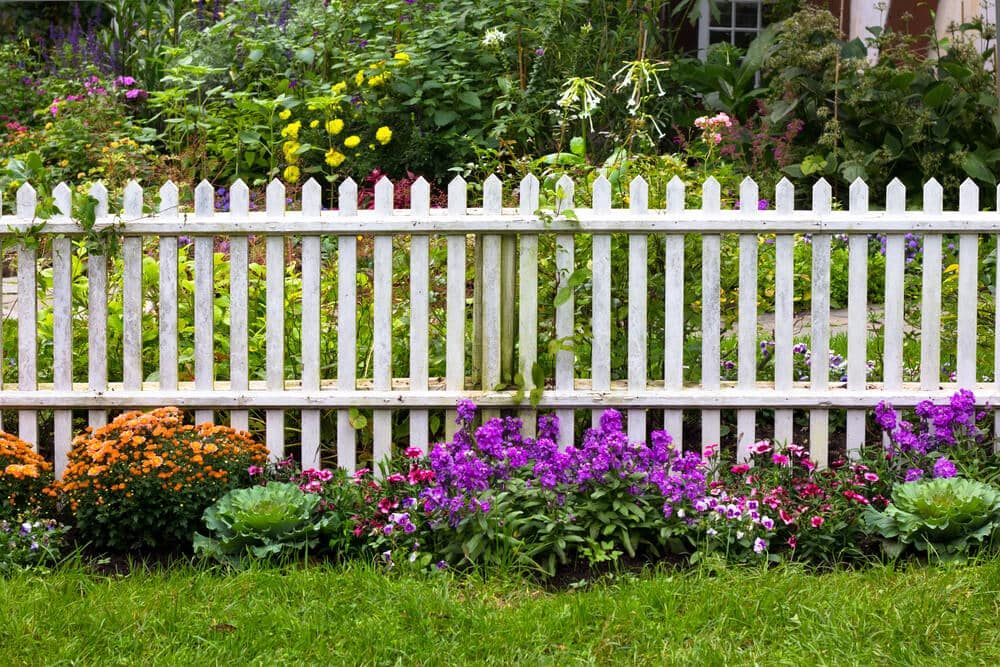
Wood is one of the oldest fence materials, and it still looks right on almost any house. You can choose from picket, privacy board, shadowbox, lattice, and rail designs, and you can pick cedar, cypress, pine, or redwood for the boards. If you want a natural look that fits a house and garden, wood is hard to beat.
Upkeep You Can Manage
Wood does not need constant attention. Its darker tone hides everyday dirt, so you do not have to scrub it every month. What it does need is a fresh coat of stain or sealer every few years, and a quick cleaning now and then also helps prevent rot.
That routine matters more here than in a dry region, because moisture is what wood fences fight against. Doing it regularly keeps the fence looking good and lasting longer.
A Solid Lifespan
Many wood fences last a decade or more, and with good care 15 to 20 years is realistic. That range depends on the wood, the treatment, the installation, and how the fence is maintained. Lumber is commonly treated against rot and insects, and naturally resistant woods like cedar and cypress add another layer of protection.
Treatment is not a guarantee, and no wood is immune to Louisiana weather. Good drainage, protective finishes, and repairs made early are what stretch the years.
Privacy and Security
A solid wood fence blocks the view from the street and from next door, which a wire fence cannot do. Boards come in many widths and thicknesses, so you can build the level of privacy you want. A sturdy wood fence also makes it harder for animals and unwanted visitors to get into the yard.
Better Curb Appeal
A well-built, well-kept fence improves the look of a property. Wood offers a wide range of heights and designs, and you can restain it to match the house or the landscaping. A fence that fits its surroundings makes the whole yard feel finished.
Choosing the Right Wood for Louisiana Weather
The species you pick shapes how the fence ages. Heat, humidity, heavy rain, and termites are all part of life here, so it pays to know your options.
- Cedar. Naturally resists moisture and insects, and it is slow to warp. It is a popular choice for a natural look.
- Cypress. Naturally resists rot and insects and grows across the South, which makes it a familiar pick for Gulf Coast fences.
- Pine. A lower-cost option, usually pressure-treated to fight rot and insects.
- Redwood. Resists pests and rot and has a rich color, though it is usually a premium choice.
Ask your installer which species and grade hold up best in your neighborhood, and how they recommend finishing it. That advice is worth more than any general rule.
What to Weigh Before You Decide
Wood is a strong choice, though it is not right for every yard or every owner. A few honest trade-offs are worth thinking through.
- Upkeep time. If you do not want to reseal every few years, a low-maintenance material may suit you better.
- Moisture and pests. Poor drainage or wet soil near posts speeds up rot, and termites are a factor in this region.
- Wind. A tall solid fence catches wind in storms, so posts need to be set deep and braced properly.
- Neighborhood rules. Some homeowners associations limit fence height, color, or style, so check before you order materials.
You can compare wood side by side with vinyl, metal, and chain link on the fence types page, and our guide to preventing rot in wooden fences explains the care routine in detail.
When to Bring in a Professional
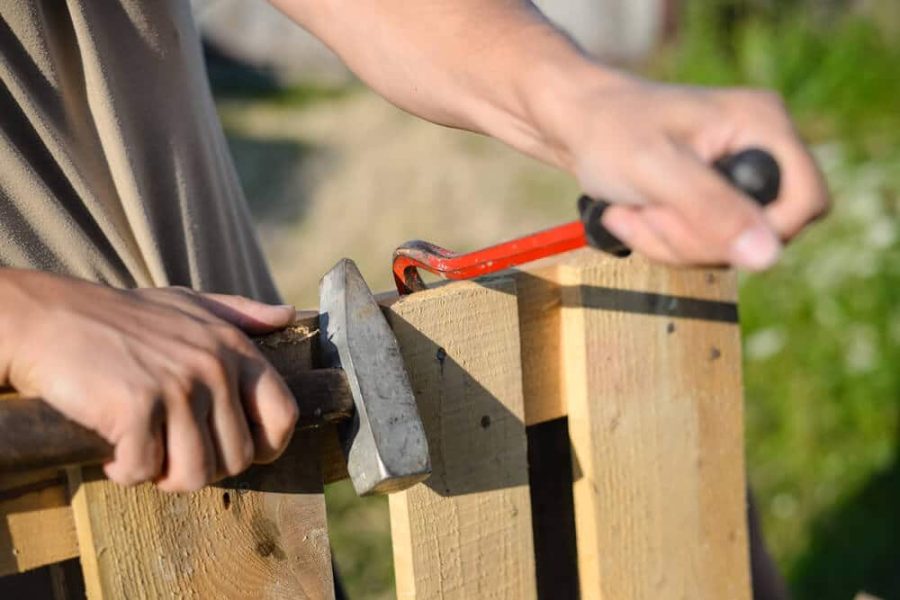
A wood fence looks simple, and a poorly built one fails quickly. Posts that are too shallow lean in the first storm, and thin rails sag. Setting posts, laying out a straight line, and hanging gates take the right tools and experience, so most homeowners are better off handing installation to a professional.
A local contractor also knows which woods perform well nearby and can walk you through residential fencing options that suit your property and budget. If a wood fence sounds right for your home, get in touch with Big Easy Fence for a free estimate.
Thinking About a Wood Fence?
Tell us about your yard and how you want the fence to look and work. We will help you compare woods and styles before you decide.