In This Guide
- Wrought iron and cast iron are made differently, and wrought iron is the one that can be shaped into detailed, custom designs.
- Most fences sold as wrought iron today are made from steel, and they still cost more than aluminum or wood.
- Materials, custom design, finish, labor, gates, and site prep all add to the price, so quotes vary widely.
- Iron is a long-lived, strong material, but the finish needs care in Louisiana humidity to hold off rust.
Wrought iron fences and gates are part of the character of New Orleans. Look at the older homes and buildings around town and you will see iron that has stood for generations. It is strong, secure, and beautiful, and it is also a material that surprises people when they see the price.
This post from Big Easy Fence explains why. It starts with what wrought iron actually is, then covers the costs that shape a wrought iron fence estimate, and finishes with how to decide whether it is worth it.
Cast Iron vs Wrought Iron
The two are easy to mix up, but they are not the same thing. The difference comes down to how each one is made.
Cast iron is melted and poured into a mold, then left to harden. It takes the shape of the mold and no other, so it is not easy to bend or reshape later. Wrought iron is heated and then worked with tools, shaped and reheated over and over. Early wrought iron contained a small amount of slag from the iron ore, and the repeated heating and working made it tougher and more workable.
| Feature | Cast Iron | Wrought Iron |
|---|---|---|
| How It Is Made | Melted and poured into a mold | Heated and shaped with tools |
| Shape Options | Limited to the mold | Nearly unlimited custom designs |
| Flexibility | Cannot be reshaped easily | Can be bent and worked |
| Common Uses | Repeating decorative pieces | Custom fences, gates, and railings |

What Wrought Iron Means Today
Traditional wrought iron is rarely made now. It takes so much heating and hand shaping that only a few smiths still produce it, and they tend to make it in large batches, which adds to the cost of the real thing.
The wrought iron sold for fences today is usually steel that has been shaped by machines and welded into panels and designs. It costs far less than historic iron, and it works well for custom fences. It still costs more than aluminum or wood, because steel work involves fabrication, finishing, and heavy materials that a lighter fence does not.
What Drives the Price of an Iron Fence
No single number covers every project. A quote is the sum of several pieces, and each one can swing the total.
Materials
Steel posts, rails, and pickets cost more than aluminum or wood. The finish matters too: a plain black fence is the least expensive, and galvanized steel adds a layer of protection that reduces future repairs. Other colors such as bronze, white, or red are usually available.
Custom Design
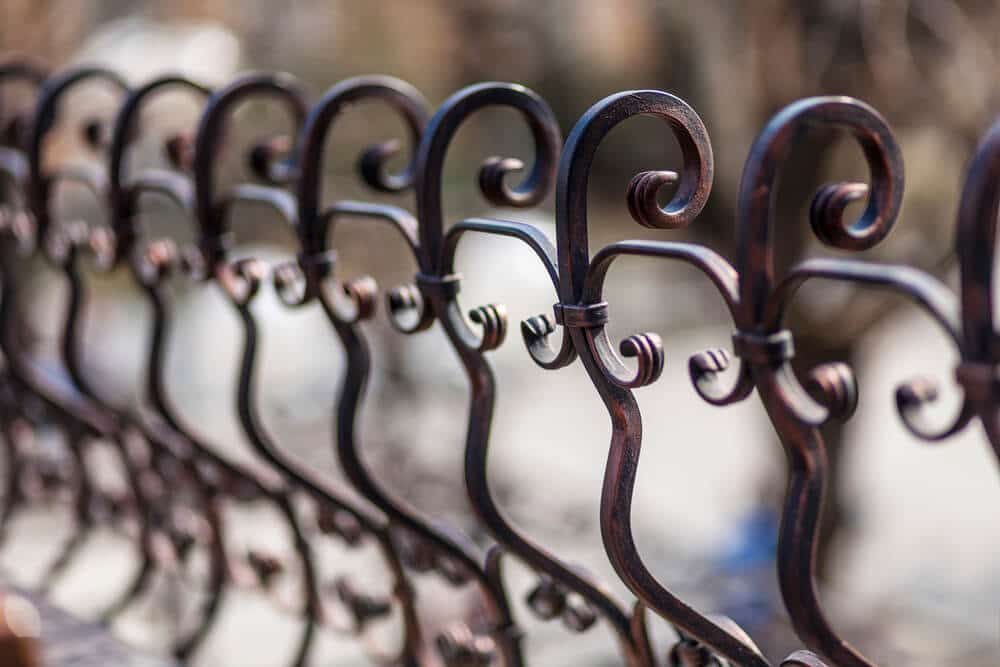
The more intricate the design, the higher the price. Curves, scrolls, decorative panels, and post toppers all take extra fabrication. Ornamental fences cost more than plain ones for exactly that reason, and the strength stays the same either way.
Finish and Coating
Iron and steel rust when moisture gets to bare metal. A good primer, a quality coating, and, where it is used, a galvanized layer protect the fence and cut down on upkeep. That protection is part of the price, and it matters a lot in Louisiana humidity.

Installation and Labor
Iron is heavy, and setting it straight takes skill. Labor depends on the length of the run, the terrain, and any obstacles, so a sloped or crowded lot costs more to install than a flat, open one.
Gates and Extras
Gates add hinges, hardware, and often a custom design, and they can be a large part of the total. Decorative panels and post toppers also add to the bill, and automatic gate openers add another layer.
Site Preparation and Approvals
Depending on where you live, you may need a boundary survey and a permit before building. Those steps cost money but protect you from putting a fence in the wrong place. A contractor can usually help you sort out both.
Is Wrought Iron Worth the Price?
For many owners, yes. Iron is strong, hard to breach, and long-lived when it is properly finished and maintained. It suits historic homes and restoration projects, and it can be designed around almost any style. Compared with lighter materials, it is a fence people keep for decades.
It also is not for everyone. If your budget is tight or you want lower upkeep, aluminum or another metal fence may get you a similar look for less. Our comparison of metal fence vs. wrought iron fence lays out the trade-offs side by side. Businesses that want the same look for a storefront or lot can look at commercial wrought iron fencing.
Should You Do It Yourself or Hire a Contractor?
Iron installation is a heavy, precise job. Even skilled DIYers find it a challenge, because the panels are heavy, the posts must be set accurately, and the finish has to be protected where cuts and welds are made. A crooked or poorly finished iron fence looks worse and rusts sooner.
A professional installer handles the layout, the setting of posts, and the finishing details in one plan. That is where a good fence gets its long life, and it is often what keeps the total cost of ownership reasonable.
The Bottom Line on Iron Pricing
Wrought iron costs more because the material, the design work, the finishing, and the installation all cost more. What you get back is strength and a look that few materials can match. If you would like to see what an iron fence would run for your property, get in touch with Big Easy Fence for a free estimate.
Curious What Iron Would Cost for Your Property?
Share your fence line, gate needs, and the style you like. We will explain the options and put a written estimate together.